Pediatric dentistry has made remarkable technological advances. Digital scanners, aligners, lasers, AI diagnostics, and 3D printing have transformed how we care for kids and teens. And yet, many children still arrive at our doors late, when dis-ease, crowding, or complexity have already set in, and advanced treatments are needed.
Despite the busyness of life, human nature has not changed. As parents, we do everything that we can to keep our children healthy and safe. Safety is an interesting and individualistic emotion. This ideology plays a roll in why the pediatric dental profession still deals with a tremendous amount of operative care. Well-meaning parents, who may have had challenging childhood dental experiences, will either be super proactive in their children’s oral care or want to minimize dental interactions all together. Unsettling information that circles media and social outlets about radiographs, sedation and over-treatment can make parents pause and postpone simple interventions that can go a long way in preserving oral health and preventing avoidable challenges.
The American Academy of Pediatric Dentistry (AAPD) and the American Academy of Pediatrics (AAP) have aligned closely on the importance of early dental visits, the importance of primary teeth in the well-being of a child’s formative development, and the collaborative role that healthcare providers can play in shaping the concept of “oral health for life”.
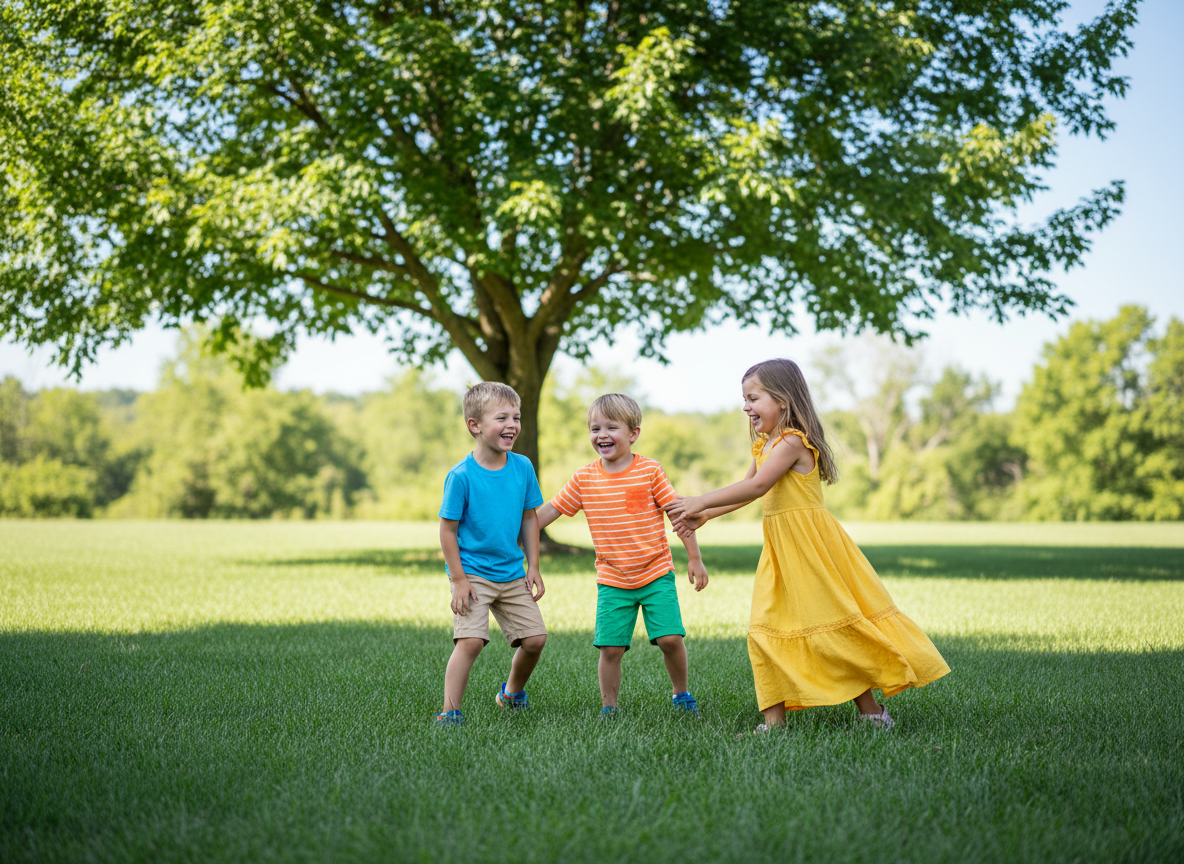
“When to Nudge Mother Nature” as a Pediatric Dentist
As an early oral healthcare provider, I ask myself with every family encounter if I offered guidance and value, whether I over- or under-recommended pediatric dental and early orthodontic care, and if the family fully understood my recommendations or if I could do more to allow the conversation to fully resonate. This inner dialogue stems from a deep desire to do good and to honor the oath and responsibility of health caregiving. After years of practicing, I have wisely come to realize that compassionate care is far from a one-size-fits-all model. It is beyond individualized care. It is an in-depth, on-going and ever-evolving conversation that is constantly remodeling based on new parameters, growth trajectories and general family life. In simple terms, it is a day-by-day adventure.
Do we have to do anything?
No parent wants to put their child through unnecessary procedures. Operative and restorative medical and dental treatments are a considerable experience to undergo for a family. As wise stewards of the trajectory of each child’s lifetime dental experiences, we, pediatric dentists have much to consider.
Since pediatric dentistry is truly about health, then the next evolution isn’t simply better tools. It is earlier presence, gentler guidance, and a shift from fixing problems to organizing development. The tenant of “do no harm” is really at the core of this matter. There are times when this translates to “let well enough be”. Other times, it means “clear the path now to allow the easier path to unfold”
Whole-Body Pediatric Dental Health
I recently had the honor of taking on the role of Chapter 2 liaison for The American Academy of Pediatrics (AAP) at the California Society of Pediatric Dentistry (CSPD). This role called to me because it bridges the professions of pediatric dentistry and pediatric medicine, and studies ways to enhance collaborations. As an educator at Herman Ostrow School of Dentistry of USC, conversations with residents often delve into the concept of whole-body health and how we can hold hands with our medical colleagues to provide a comprehensive approach to general wellness. In my mind (and heart), the compass constantly points to small, micro changes at earlier timelines. Guiding new parents on infant oral health is at the core of this dialogue.
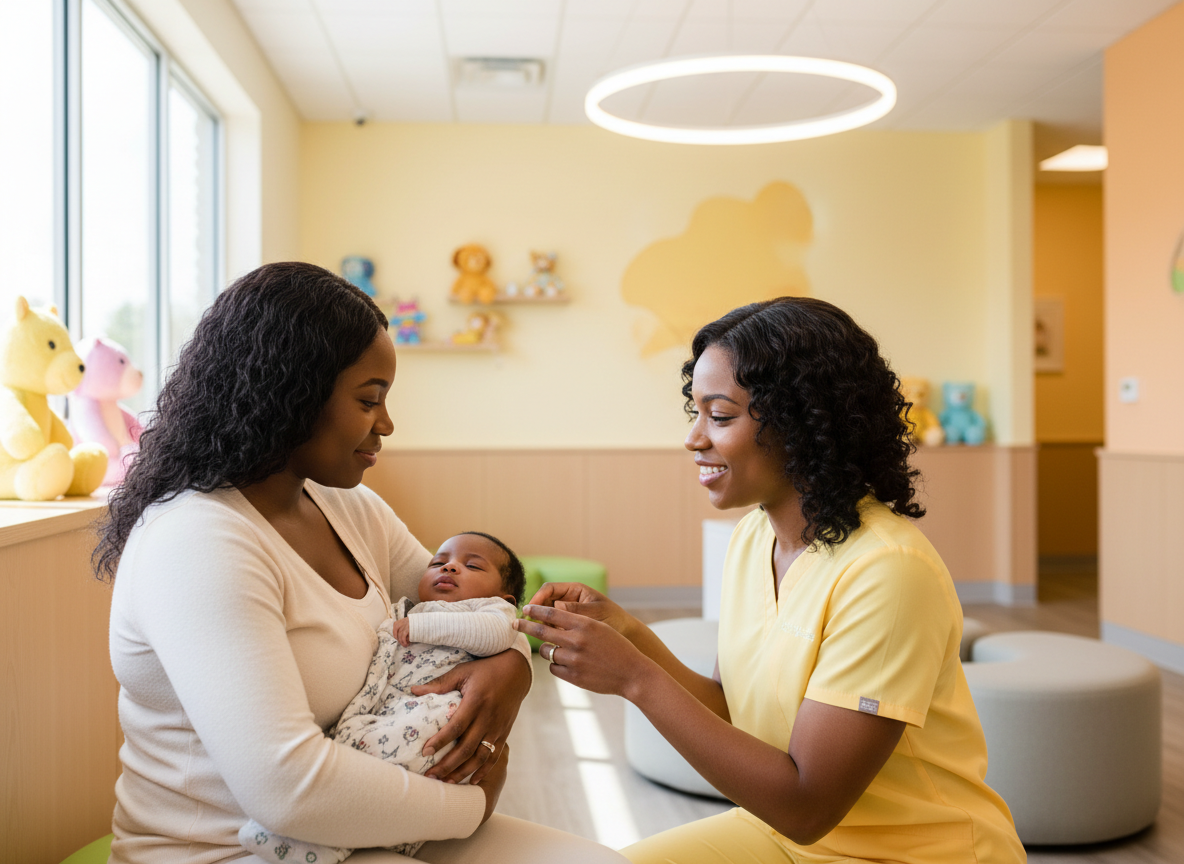
When pediatric dental care begins
When I welcomed my first born, my beautiful daughter, Isabel Ida Haddad, I entered into motherhood as a right of passage. It was as if the whole reason for my being was suddenly beautifully validated. I found a calm and nurturing space at UCLA’s Birth Place. with a warm group of new mothers coming together to learn about breastfeeding and infant care. I was treading gently on these new grounds but felt that new mothers like me, were often overwhelmed with information and instructions. All of us were fully committed, but many desperately needed support systems. When the group heard of my profession, they began asking questions about infant oral care and were most appreciative for the information that I was able to provide. Through this group, I not only gained new families at Smiles, I realized that new parents are receptive to oral care information early on and enriched my life with life-long connections that I truly cherish.
The Opportunities Pediatric Dentists Don’t Talk About Enough
New parents are full of questions:
- When should I start caring for my baby’s mouth?
- Is teething problematic or normal?
- What happens if my toddler falls and hits a tooth?
- When do habits become harmful?
- When do we actually need to see a dentist?
Too often, there is no clear entry point for these questions. Families are left to Google, social media, or wait until something feels “wrong enough.” By the time they arrive at a dental office, dentistry becomes reactive instead of nurturing or preventative.
From “Risk-assessment/management” to “Path clearing”
I prefer to practice dentistry from a lens of health rather than risk predictions. I value being a mindful observer of health and of the dental development process. Like carefully tending a growing garden, there are times that we need to prune, trim and replant to allow for true balance and beauty to manifest. In these instances, I see myself as a path clearer and someone who helps growing systems find their way back to natural harmony, when development veers off course.
The specialties of pediatric dentistry and early orthodontics need not alarm families into action, nor impose recommendations as dogma. We need to be storytellers of development. Furthermore, we need to be mindful that the story of growth is ever evolving. Our profession needs to support biology, compassion, and trust.
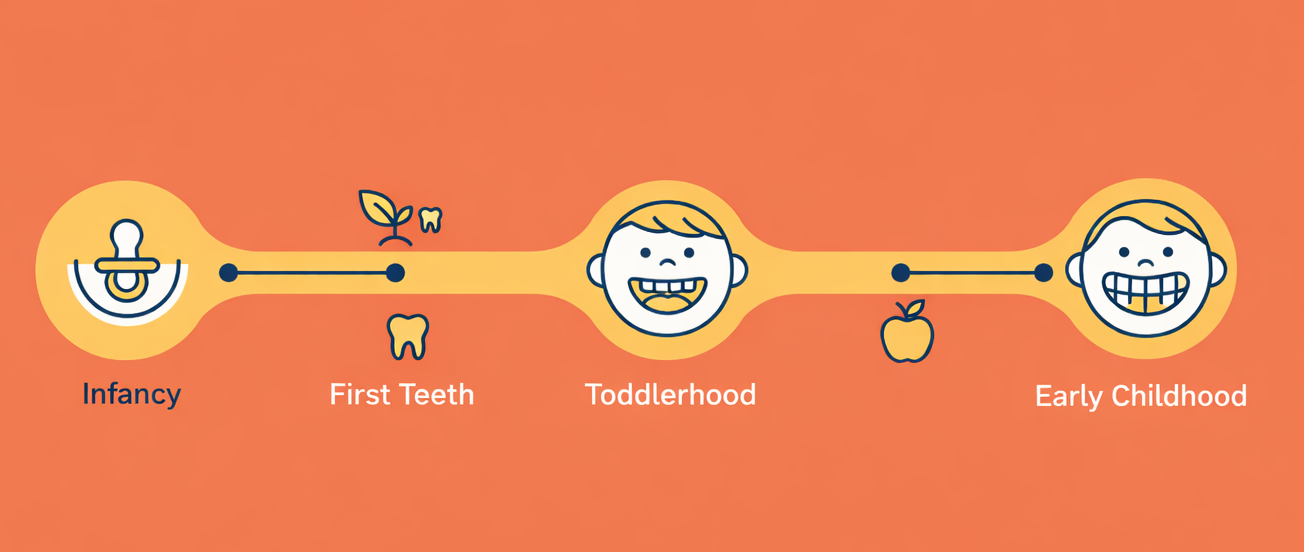
Honoring human biology
Life’s pace is rapidly excellerating. We can certainly all resonate with how fast everything is moving in our day-to-day lives. Everything is expected sooner and demands more efficiency. To hold thoughtfulness is a skill that requires fostering in today’s world. Like physical activity, the mind needs daily training to slow down and take in the moment. The undeniable advances in AI and its projected path in the next few years, cannot be overlooked. We can, indeed, find solutions with a click of a button, yet we must remember that we still remain biologically human. This is a tender time for humanity. Finding the balance between what we want our bodies to do and what they are biologically capable of, all while maintinaing a positive and healthy state of mind requires pause, gentleness, and wisdom.
The future paths coincide
Imagine a world where families receive:
- Collaborative, “whole-istic” anticipatory guidance in the first year of life
- Simple at-home testing kits that help customize the fostering of well-being
- Coaching on habits, feeding, eruption, and oral hygiene
- Matching with caring providers (both pediatric medical and pediatric dental doctors)
- Virtual (human and AI-empowered) points of service
- Reassurance after a fall or dental trauma
- Facilitation when in-person care is needed

Home-based, virtual care matters
In 2019, we reshaped our lives due to the global pandemic. One of the most challenging experiences of modern times also brought forward new ways of living, communication, expectation and innovation. Because people couldn’t meet in person, new ways of connecting quickly began emerging. Many of these modalities quickly became mainstream as meetings moved to online platforms and telemedicine surged.
At Smiles, we started with asking families to text/email photos of their children’s mouths and then moved to teledentistry communications. I personally found this type of communication to be so helpful in triaging emergencies and guiding parents on how to handle bumps, falls and incidental dental occurrences. At the same time, this new era of dental communications needed to be organized, structured and validated in terms of transparency, legality and expectations in order to honor both providers and receivers. Once, this structuring formed a solid foundation, the true power of virtual communications began to really shine.
Where pediatric virtual care shines
A virtual conversation in the convenience of a family’s home has the potential to become:
- A first touchpoint for infant oral health
- A trusted guide for new parents
- A calm, accessible place for questions before concern escalates
- A reassuring “baby step” to the first dental visit, which helps set expectations
- A beautiful bridge between home and in-office care, not a replacement for it
Los Angeles is a vast metropolis with much to offer, but supportive, in-persons communities may not be readily accessible to everyone. For example: Mothers recuperating from post-partum challenges may not be able to participate in such meetings. In such instances, a virtual offering is not only supportive, but also essential. An encounter like this promotes health, compassion nurturing, and whole-body care before any treatment even comes into question.
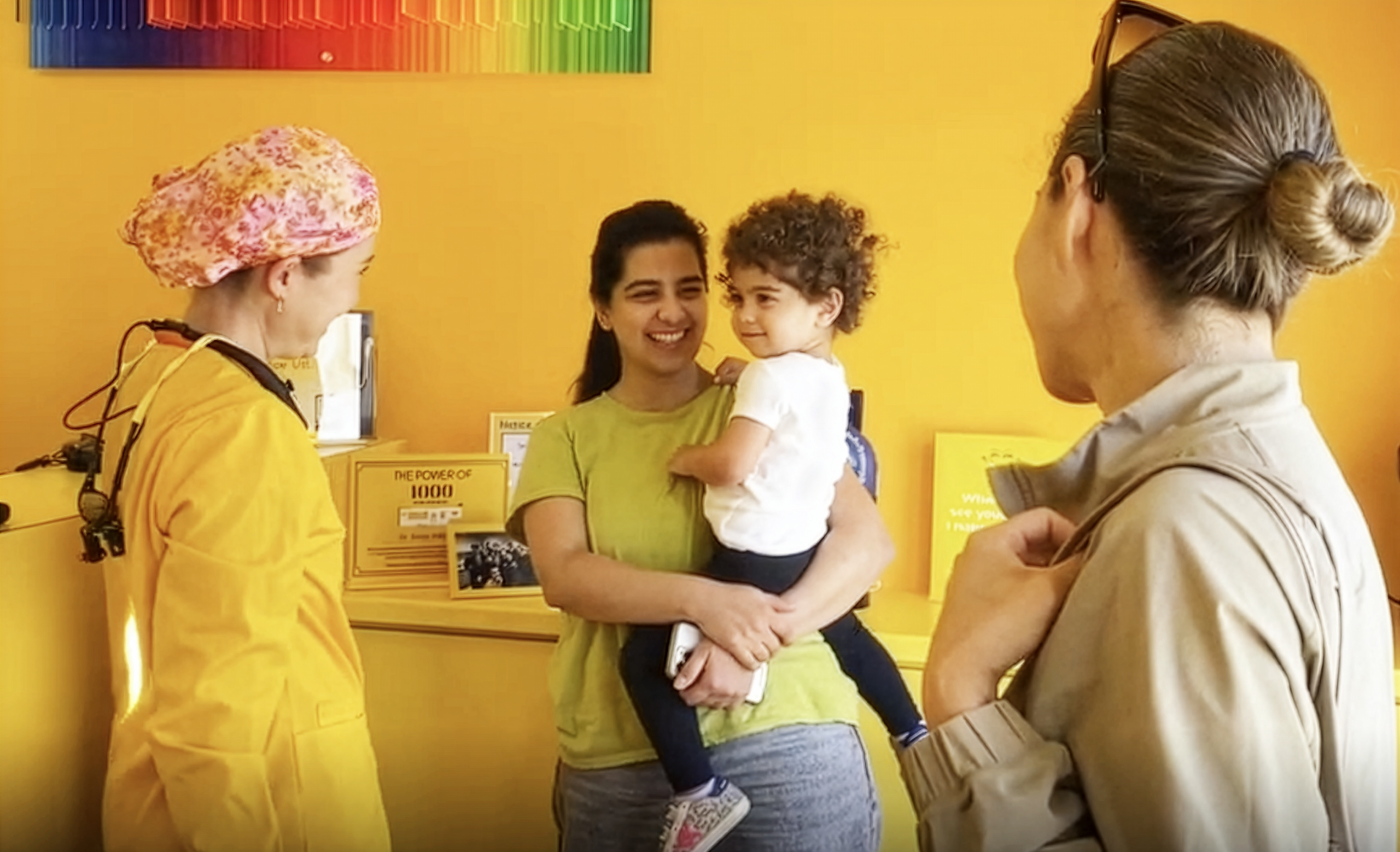
What about early orthodontics?
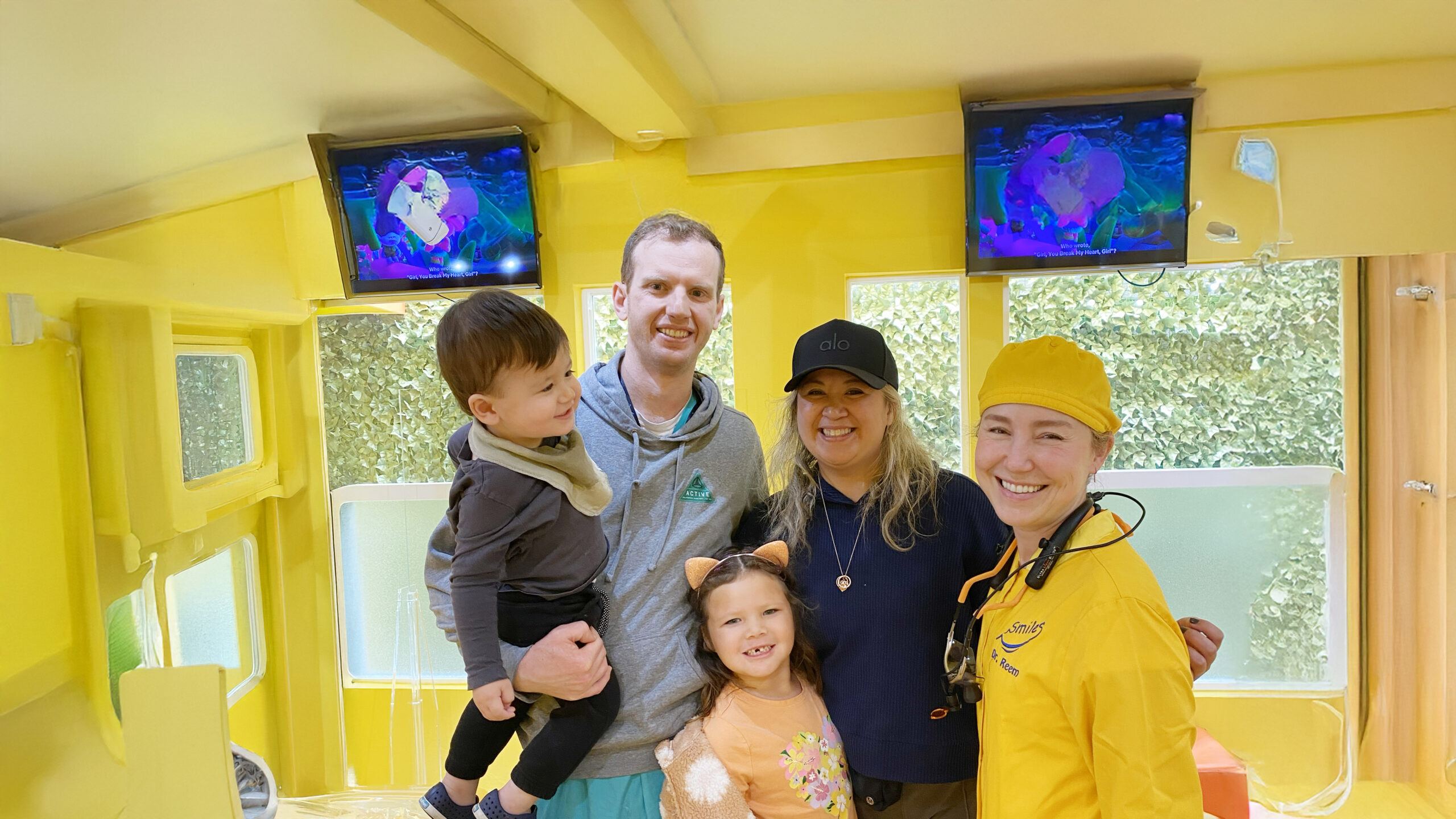
Every day at Smiles, we get to see firsthand how collaborative pediatric dental care and early orthodontic guidance change lives. Our collaborative approach is based on integrating both specialties into combined, comprehensive, and time-saving visits.
- Early arch development reduces later complexity
- Early education builds lifelong trust
- Early intervention can be gentle, not invasive
- Yes, kids with loose baby teeth can start care. In fact, it is a good time to start orthodontics because one of the main goals of early care is to facilitate the eruption of all permanent teeth.
Pediatric dentistry should function as an ecosystem
- Virtual guidance
- Home-based education
- In-office excellence
- Biological respect
- Family-centered decision-making
If we are to promote oral health, we need to plan on arriving earlier and supporting families where they live. We need to focus on guiding development rather than reacting to breakdown. And we need to shift from thinking that we are here to fix dental problems to believing that we are here to support nature, organize growth and clear paths. The tools are already here. It is up to us to use them with intention.