At Smiles, we view our infant and toddler visits as seed planting visits for a lifetime of dental health. We will expertly guide you in navigating how to care for your infant’s mouth and your toddler’s newly erupted teeth. Establishing a dental home soon after your baby’s birth is a major step towards dental well-being and we are excited to welcome you!
Infant & Toddler Dentistry ·
Infant & Toddler Dentistry ·
Infant & Toddler Dentistry ·
Infant & Toddler Dentistry ·
Infant & Toddler Dentistry ·
Best Dental Care for Infants:
If you are wondering about how to best care for your infant’s mouth, the simple answer is: Start early! Research shows that promoting oral health for expecting mothers gives their babies a better opportunity in cultivating dental well-being. Fathers and siblings are also key players in the family’s dental health. A baby born in a dental-conscious family has a lesser chance of exposure to caries-causing bacteria through their home environment.
Oral Microbiome Health:
With the emerging science of oral microbiome, we are better understanding the importance of the equilibrium of oral flora and how its balance affects our oral and general health. Studies have proven that embracing healthy dental routines fosters healthy oral flora and general well-being. Parents with a healthy oral flora pave the path for better dental health for their children. When babies are born, getting them used to oral cleansing and establishing a scheduled feeding pattern will help promote friendly oral flora and an oral environment that is favorable for tooth structure preservation and mineralization.
American Academy of Pediatric Dentistry Recommendations:
According to The American Academy of Pediatric Dentistry (AAPD), the recommended timing of the first dental visit is when a baby gets their first tooth or by their first birthday. The AAPD also supports that oral guidance may be needed before these noted milestones. Breastfeeding or bottle-feeding challenges due to tethered oral tissues, like a tongue tie or a lip tie, are key examples. Teaming up with your lactation consultant and pediatrician, our team mindfully councils on tethered oral tissues and helps to nurture your earliest connections with your beloved baby.
Early Dental Visits:
During early dental visits, we discuss how to care for your infant’s mouth, what to expect when teething occurs, how to avoid trauma as your child learns to crawl and take those first steps, how to brush your toddler’s teeth, breastfeeding, bottle-feeding, pacifiers, oral habits and more.
Lip tie/Tongue tie:
Every newborn is born with a lingual frenulum and a labial frenulum. These are tissues that help to support the oral structures and connect the tongue to the floor of the mouth and the lip to the gums above the front teeth.
In utero, the tongue first forms attached to the floor of the mouth. As development progresses, it detaches leaving behind a connective tissue remnant called a frenulum. When this process of detachment is incomplete, a baby can be born with a tongue tie or what is known as ankyloglossia. If the labial frenulum remains very thick and tight, the upper lip can be restricted causing a lip tie.
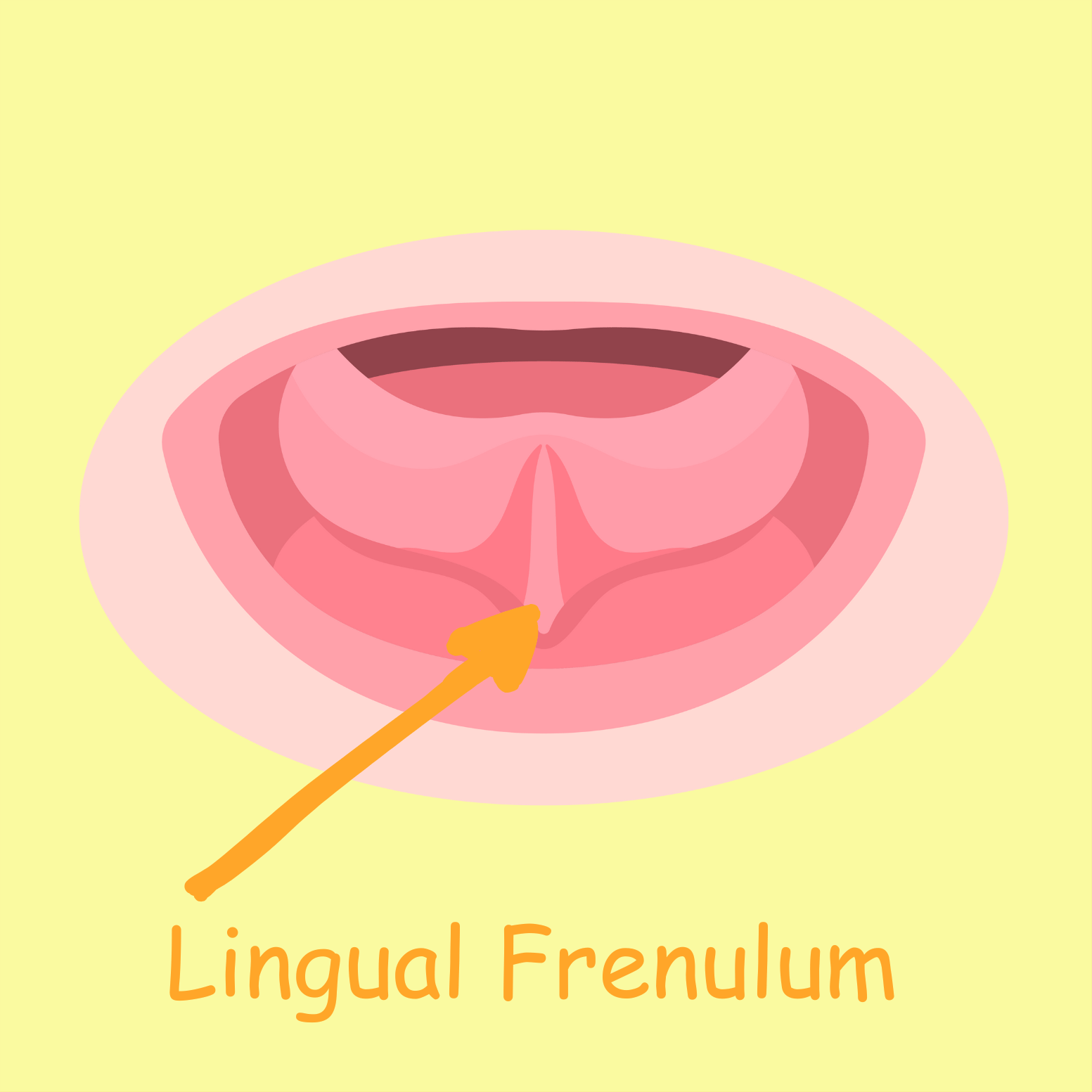
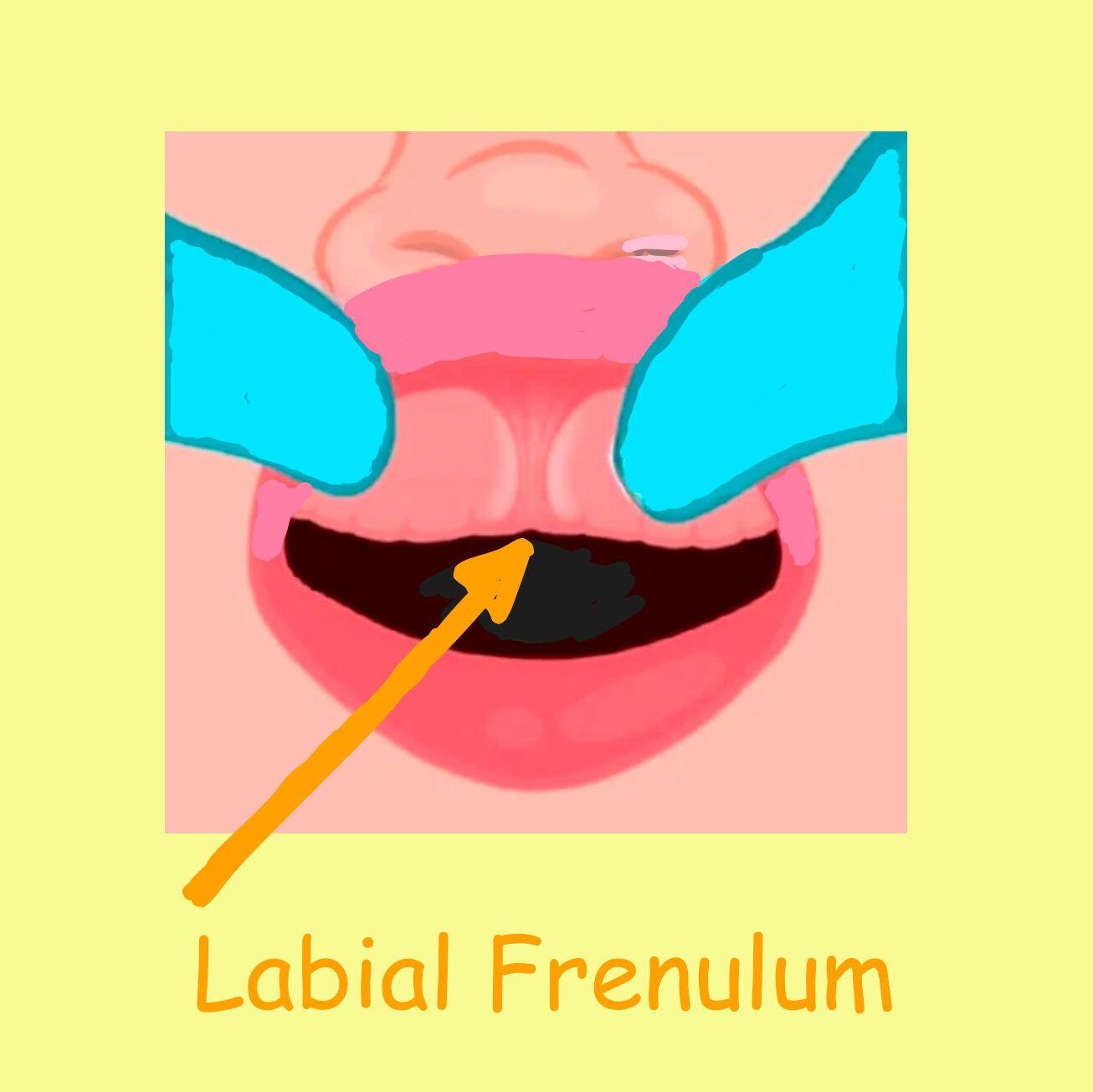
True tongue ties and lip ties can impact both the baby and the nursing mother with a variety of symptoms. When these tissues are tight and short, the range of motion achieved by the tongue and the lip can be limited causing challenges in breastfeeding, bottle feeding, breathing and oral motor development.
Knowledgeable diagnosis and thoughtful consideration are the hallmarks of our infant and toddler dental care approach. The size, shape, and position of frenulums vary. Our gentle management is based on a clear understanding of what is considered to be normal anatomy and a heartfelt desire to support new parents in mindful decision making. We encourage a team approach with a Board-Certified Lactation Consultant and a feeding specialist to ensure a positive outcome.
The release of a tongue-tie or a lip-tie is a minor surgical procedure called a frenotomy/frenulotomy. Using topical anesthesia and our state-of-the-art Solea Co2 dental laser, the procedure is completed in less than a minute. Photobiomodultion or Light Therapy is introduced to enhance healing and comfort. Daily tissue stretches and team follow ups are necessary to ensure success.
What To Expect At My Child’s First Dental Visit:
Smiles’ Recommendations for Infant/Toddler Dental Visits:
The Smiles Steps to Infant oral health:
Hover or tap to reveal steps
1
Clean your baby’s mouth and gum pads with a soft, wet cloth after feeding to get them used to routine oral care. This will also help your baby to separate eating and sleeping.
2
Using a clean finger, gently rub your baby’s gum pads, and move from side to side in their mouth. You will notice that your baby’s tongue follows your finger. This is a good tongue exercise and helps comfort babies during teething.
3
Give your baby chewing toys to help simulate their jaw muscles for future chewing.
4
Your baby will begin to drool more often as their salivary glands mature and they get ready for teething. An organic moisturizer will help to keep their cheeks rash-free.
5
Start reducing the use of pacifiers as your baby approaches six months of age.
6
Begin using a toothbrush to clean newly erupted teeth as soon as they come in. Nighttime cleanings are super important to allow your baby to sleep with a clean mouth.
7
A tiny, rice-size amount of fluoride-free, baby/toddler toothpaste can make toothbrushing extra fun for your baby.
8
Book your first dental appointment!
FAQs for Infant/Toddler Dental Care:
How is the oral microbiome in infants and toddlers related to early childhood caries prevention?
Research has proven that the earlier a baby is exposed to cavity-causing bacteria, the higher chances they have of experiencing early childhood caries. Babies acquire oral bacteria by exposure to older individuals’ bacteria. As family members, we culture each other with our oral flora. This can also occur between children by sharing foods, utensils or toys.
A healthy microbiome is predominantly composed of friendly oral bacterial strains that live in harmony with our bodies rather than cause acid build up and tooth decay. When we promote our own healthy microbiome, we not only live a healthier life, but we also promote health for our young family members.
Good strategies to create a balanced microbiome include excellent oral hygiene, routine dental checkups and cleanings, healthy eating/snacking habits, limiting surgery foods and beverages, and eating whole food rich in nitrogen such as leafy greens.
What is the role of parents in preventing early childhood caries?
Understanding the habits that cultivate excellent oral health are important to promote dental well-being for ourselves and our children. Caring for our little ones’ mouths and nurturing health-conscious oral practices and routines are instrumental in preventing early childhood caries.
Structured feeding schedules are important for infants. As teeth begin emerging and infants start solid foods, it is time to set up a consistent oral hygiene regimen. Allowing a baby to sleep with a bottle is a well-known cause of baby bottle tooth decay, but less known is that on-demand nighttime breastfeeding can also compromise newly erupted teeth. Helping your baby separate sleeping and eating is a milestone that allows ease and comfort for the whole family. Cleaning baby’s mouth after a meal helps to create a prompt for this process in addition to promoting dental health.
What should I do if my baby has a lip tie or a tongue tie?
Lip and tongue frenula present in a wide variety of anatomical variations and clinical presentations. Not every shorter lip or tongue frenulum needs to be released. The benefits will depend on the size, shape, structure and position of the frenulum and how it is expected to adjust over time.
If feeding comfort is compromised, a team approach with a Board Certified Lactation Consultant and a feeding specialist will be needed. For babies that will benefit from a frenulum release or a frenulecomty, the procedure is completed with our state-of-the-art Solea Co2 laser, in less than a minute, after applying a topical anesthetic gel. Daily stretches and gentle tissue care will be needed for 2-3 weeks after the procedure to ensure successful results.
What oral hygiene products are recommended for infants?
A good practice is to clean your infant’s mouth with a wet terrycloth washcloth. This usually creates a pleasing sensation for babies. They enjoy sucking on the cloth and experiencing its nubby texture. It is also an effective way to clean the oral tissues. Alternatively, baby oral wipes can also be used. These come in a wide variety and usually contain flavorings and Xylitol, which acts as a tooth-safe sweetener.
Some teething rings have silicone bristles that babies enjoy. These can be used early on but once teeth begin to come in, we recommend a baby/toddler toothbrush with bristles to effectively remove plaque.
At what age should we let go of the pacifier?
The American Academy of Pediatric Dentistry recommends that pacifier use be limited starting six months of age. As teeth come in, the pacifier can cause occlusion and tooth coupling changes. Some babies become very attached to their pacifiers, so a gradual weening process is helpful. The goal is to let go of the pacifier before or by baby’s first birthday.
Here is a plan to reduce pacifier use:
- Limit the total number of pacifiers in the home to two
- Poke a hole in the tip of the nipple of both pacifiers using manicure scissors to help deflate the nipple
- Over the course of the next few days/weeks, progressively snip the tip of the pacifier nipple (do this to both pacifiers at the same time for consistency).
- With time, your baby will lose interest in the snipped nipple and the process allows for a gradual emotional release from the pacifier.
What should I do when my baby is teething?
Teething is a natural physiological process that is a new experience for babies. Signs that your baby is getting ready to teeth include drooling or gum rubbing and tender oral tissues. The desire to chew on a teething ring is very natural and can help the tooth to surface through the gums. Babies do not typically get sick because of teething, but they can be susceptible to picking up germs and viruses as they put their hands and other objects into the mouths.
We recommend a clean, chilled teething ring to help soothe your baby and numb sore gums. Homeopathic teething remedies or occasional Tylenol (please follow package instructions) can be added in the case of severe discomfort.
What oral hygiene products are recommended for toddlers?
As more teeth begin to come into your toddler’s mouth, you can continue using an appropriate bristle brush (manual or electric), adding floss to the regimen to keep closed contacts clean and consider introducing fluoridated toothpaste at nighttime. The amount of toothpaste recommended for toddlers by the AAPD is an amount equal to the size of a grain of rice up to a small green pea.
How can I make brushing fun for my toddler?
Place your toddler in a position that makes brushing easy. We like leaning toddlers back on the changing table or laying them on a bed. This way, you will be able to see well and complete good brushing. For squirmy toddlers, two adults are needed. One to brush and one to help hold your toddler’s hands. Do this gently while signing songs, clapping hands and being fun and positive. Anything that relaxes your toddler and helps keep them content is a good strategy.
Consider exploring fun toothpaste flavors to get your toddler excited about brushing. Most importantly, even if your toddler fusses, know that you are helping them by cleaning their teeth. It is an important part of keeping them healthy and loved. With some time and gentle persistence, they will soon enjoy the process!
What should I do about thumb or finger sucking?
Sucking is a natural instinct that humans are born with. It is very soothing for infants to suck on their fingers, thumbs and pacifiers in the early months of life. Many toddlers continue to suck their fingers as they enter preschool and beyond. We find that a palliative approach of gentle encouragement and positive reinforcement works best to help your child gradually lose interest in their sucking habit.
Nap time and nighttime are preferred times for finger and thumb sucking. There are plenty of devices that act as barriers to thumb sucking on the market today. You can try one of these if your child is up to it. During the day, keeping your toddler’s hands busy with activities is helpful. For kids who find it challenging to let go of their sucking habit and are starting to get their permanent teeth, orthodontic appliances can act as obstacles to sucking and can also improve the position of teeth that have shifted due to the sucking habit.
How many teeth should my toddler have?
Babies begin teething around the age of 6 months. The first teeth to come in are typically the lower incisors followed by the upper incisors. Teething patterns differ from one population to another but in general, the baby molars and canines will progressively follow the incisors resulting in a set of ten upper and ten lower primary teeth by the time your child is about three years of age.
How can I prevent oral trauma during toddlerhood?
Exploration is part of toddlerhood! New walking skills and a natural sense of curiosity makes keeping a close eye on toddlers a challenge. Creating a suitable playing environment is a great strategy to encourage safe independence. Soft pillows, cushions and padded flooring are great ideas. When it comes to the outdoors, grass is preferred to concrete. Adult supervision is needed on park equipment, steps and stoops where is is easy for toddlers to trip and fall.
What should I do if my toddler has an oral injury?
Stay as calm as possible. It is very common for toddlers to fall and bump their mouths. Check to see if your toddler’s head was bumped and go to the nearest emergency room if it was. If the trauma is limited to the mouth and teeth, use a wet washcloth to clean the mouth gently and slow down any bleeding. Lift your toddler’s lips to see if any teeth have been lost or displaced and contact our office to help you with the next steps. Thankfully, most cases of primary tooth trauma heal with some time and don’t typically impact the permanent dentition.

🎓🧸 Happy Pacifier Graduation! 🎉💛
Ready to help your toddler say goodbye to their binky? Pacifier weaning can feel like a big transition, but small steps and comforting new routines can make process easier. 🌟
Pacifier use is a form of "nonnutritive sucking", and knowing when and how to begin weaning can support healthy oral development. 🦷✨
From a favorite stuffed animal 🧸 to a special bedtime story 📖 or a little “binky graduation” ritual 🎓, replacing pacifier comfort with something new can help your toddler feel secure.
Read our full guide for 5 easy pacifier-weaning steps:
https://smilesla.com/pediatric-dentistry-orthodontics/pacifier-binky-weaning-tips-toddlers
💛 One little milestone at a time!
#PacifierWeaning #ToddlerPacifier #NonnutritiveSucking #ToddlerOralHealth #PediatricDentistry #BinkyWeaning"


🌎✨ PART 3 | Dr. Reem Kabbarah’s Presentation for Latin American Pediatric Dentists
In Part 3 of her presentation, our founder, Dr. Reem Kabbarah, continues discussing how digital technology has become part of everyday care at Smiles Pediatric Dentistry & Orthodontics. 🦷💻
From digital photography and smartphone technology to completely digital impressions and intraoral scanning, Dr. Reem explains how her practice uses technology in ways that are efficient, comfortable, and adaptable for children of all ages.
Her practice also utilizes digital X-rays and imaging, along with CBCT technology for orthodontic treatment planning. By integrating these digital tools, the team can capture detailed information and use it throughout diagnosis and treatment planning. ✨
@alop_odontopediatria
📍 Smiles Pediatric Dentistry & Orthodontics
10582 W. Pico Blvd.
Los Angeles, CA 90064
📞 (310) 837-6453
📧 info@smilesla.com
🌐 smilesla.com
#SmilesPediatricDentistryAndOrthodontics #DrReemKabbarah #PediatricDentistry #DigitalPediatricDentistry #DigitalDentistry #CBCT #Orthodontics #WestLAPediatricDentist

Did you know there`s a way to treat cavities with LIGHT? ✨🦷 Our Solea laser uses precise beams of light instead of a needle or a traditional drill to treat many cavities gently and comfortably. It`s fast, it`s quiet, and for a lot of kids, it barely feels like anything happened at all. This is the kind of technology that sounds like science fiction, and it`s part of everyday care at Smiles 🚀 Would your kid think treating a cavity with light is the coolest thing ever? We think so too. Tell us below! 💬 Curious if Solea is right for your child? Contact our office 📞
Smiles Pediatric Dentistry & Orthodontics Phone: (310) 837-6453 Email: info@smilesla.com Address: 10582 W. Pico Blvd. Los Angeles, CA 90064
Nurturing smiles with heart 🦷✨
#SmilesPediatricDentistryandOrthodontics #SoleaLaserDentistry #FutureOfDentistry #PainlessDentistryLA #PediatricDentistWestLA

🌎✨ PART 2 | Dr. Reem Kabbarah’s Presentation for Latin American Pediatric Dentists
Our founder, Dr. Reem Kabbarah, continues her virtual presentation for the Latin American Association of Pediatric Dentistry, sharing her philosophy and approach to digital pediatric dentistry. 🦷💻
Dr. Reem believes children deserve the same level of clinical excellence, precision technology, and thoughtful treatment planning expected in adult dentistry, while care must be thoughtfully adapted to each child’s growth, development, and individual needs.
In this segment, she explains how digital tools such as photography, intraoral scanning, and computer-aided design help her team capture information, understand each child’s dental needs, communicate treatment with families, and create customized aesthetic and restorative solutions.
Technology allows us to better understand each child’s story while giving our team greater control throughout the treatment process. ✨
Follow along for Part 3 of Dr. Reem’s presentation. 🌎🦷
📍 Smiles Pediatric Dentistry & Orthodontics
10582 W. Pico Blvd.
Los Angeles, CA 90064
📞 (310) 837-6453
@alop_odontopediatria
@dr.reem_kabbarah
📧 info@smilesla.com
🌐 smilesla.com
#SmilesPediatricDentistryAndOrthodontics #DrReemKabbarah #PediatricDentistry #DigitalPediatricDentistry #LatinAmericanPediatricDentistry #LosAngelesPediatricDentist

🌎✨ PART 1 | Dr. Reem Kabbarah’s Presentation for Latin American Pediatric Dentists
We are proud to share a special moment from our founder, Dr. Reem Kabbarah, who was invited to present virtually for the Latin American Association of Pediatric Dentistry. 🦷💻
In this first video, Dr. Reem introduces herself and shares the journey that led her into pediatric dentistry, digital care, technology, and education.
Growing up in Damascus, Syria 🇸🇾, completing her residency at the University of Southern California, practicing pediatric dentistry in the Middle East and Dubai, and eventually returning to Los Angeles, Dr. Reem’s international experience has helped shape her approach to pediatric and teen dentistry.
Today, Dr. Reem is a pediatric dentist, sports pediatric dentist, digital pediatric dentistry educator, Diplomate of the American Board of Pediatric Dentistry, USC faculty member, and founder of Smiles Pediatric Dentistry & Orthodontics in Los Angeles. ✨
Follow along as we share more from Dr. Reem’s presentation and explore her work in digital pediatric dentistry. 🌎🦷
📍 Smiles Pediatric Dentistry & Orthodontics
10582 W. Pico Blvd.
Los Angeles, CA 90064
📞 (310) 837-6453
📧 [info@smilesla.com](mailto:info@smilesla.com)
🌐 smilesla.com
@alop_odontopediatria
#SmilesPediatricDentistryAndOrthodontics #DrReemKabbarah #PediatricDentistry #DigitalPediatricDentistry #SportsPediatricDentistry #LatinAmericanPediatricDentistry #WestLAPediatricDentist

Enamel Crystals 1,000x Thinner Than Hair 🔬 Tooth enamel is made of hydroxyapatite crystals so small they`re measured in nanometers, roughly 1,000x thinner than a human hair. 🦷 On the Mohs hardness scale, enamel scores close to 5, harder than iron, but it has no living cells, so it can`t regenerate once damaged. That`s why when we do need to restore a tooth, we try to preserve as much of that natural enamel as possible rather than removing more than necessary. Something fun to talk about at your next visit.
Smiles Pediatric Dentistry & Orthodontics Phone: (310) 837-6453 Email: info@smilesla.com Address: 10582 W. Pico Blvd. Los Angeles, CA 90064
Tiny Crystals, Mighty Strength 🔬
#SmilesPediatricDentistryandOrthodontics #ToothEnamelFacts #DentalScience #PediatricDentistWestLA

🦷✨ Hi there! I’m Dr. Reem, founder of Smiles and a board-certified pediatric dentist in West Los Angeles.
If you’re a parent looking for newer solutions in pediatric dentistry and early orthodontics, we’d love to welcome you to Smiles. We’re using innovative 3D-printed CAD/CAM technology—computer-aided design and manufacturing—to help address restorative and aesthetic needs for children and teens.
These minimally involved, often no-prep and conservative designs can help preserve natural tooth structure while creating beautiful, functional results. We’ve spent years adapting exciting advancements from adult aesthetic dentistry for our younger patients. 💙
If you’re curious about whether these options may be right for your child, come join us and learn more!
📍 Smiles Pediatric Dentistry & Orthodontics | West Los Angeles
📞 Contact us to schedule a consultation.
#PediatricDentistry #EarlyOrthodontics #3DPrintedDentistry #CADCAMDentistry #MinimallyInvasiveDentistry #WestLADentist

A jaw click at dinner can actually tell us something about development. 🦷👂 TMJ signs in kids often start small, clicking, tightness, or discomfort while chewing, and they`re frequently linked to posture or how the jaw is growing. We take a whole-child approach here, not just teeth, but jaw, posture, and comfort, sometimes even using laser or red-light therapy to help 🌿 Has your child ever mentioned jaw clicking? Tell us below! 💬 Curious what it could mean? Contact our office for an evaluation 📞
Smiles Pediatric Dentistry & Orthodontics Phone: (310) 837-6453 Email: info@smilesla.com Address: 10582 W. Pico Blvd. Los Angeles, CA 90064
Smile with us!🧡
#SmilesPediatricDentistryandOrthodontics #TMJKids #PediatricJawHealth #WholeChildDentistry #WestLADentist
