

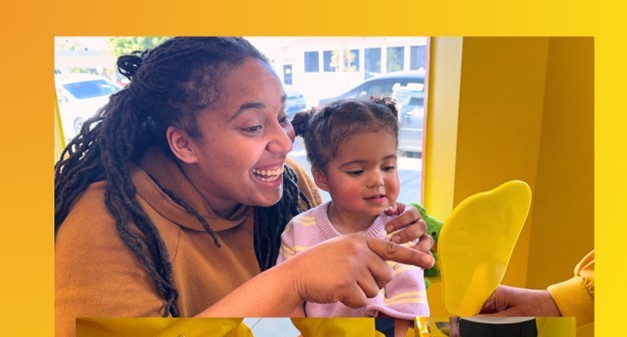
One of the biggest joys I am blessed with as a pediatric dentist is watching the kids we see grow and evolve; their smiles expanding, their personalities blossoming and their futures unfolding. Children’s smiles are constantly changing. Teeth erupt, spacing shifts, and the face itself grows and develops year by year. For us pediatric dentists, caring for children and teenagers is rarely about addressing a single tooth, it’s about understanding how today’s decisions will influence a smile over time.
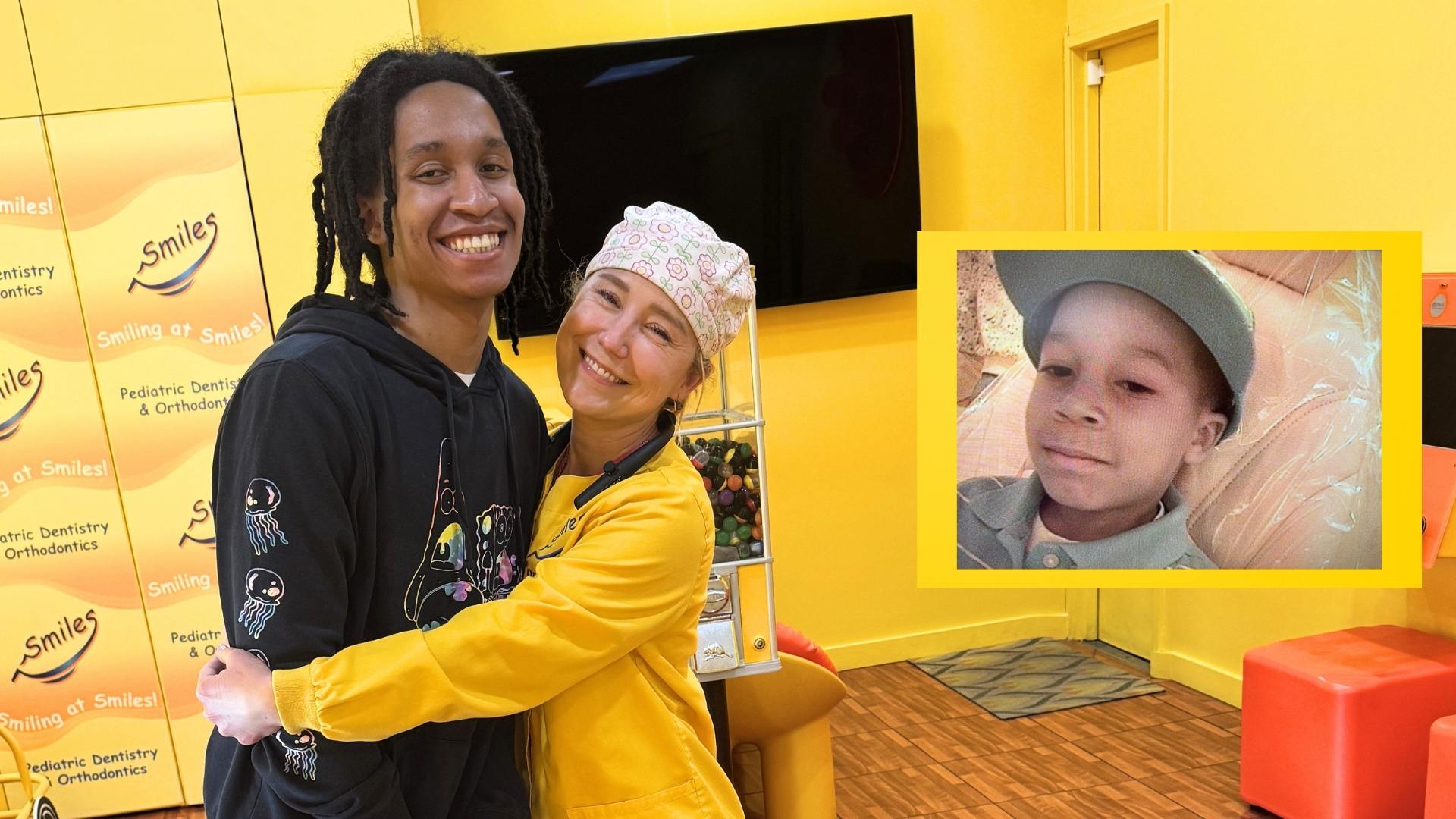
Jedi, 2008 and 2026
How Do Pediatric Dentists Care for a Child’s Smile?
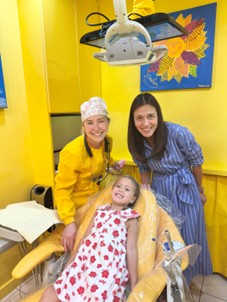
In communities like ours in West Los Angeles, parents are deeply engaged in their children’s health and education. They want to understand their options and to be part of the decision-making process. I value this partnership deeply, because the best treatment plans are developed when healthcare providers and families work together with a shared understanding of a child’s needs and goals.
As an educator at the University of Southern California (USC) and a fellow of the American Acadmy of Pediatric Dentistry (AAPD), my conversations with parents and my clinical practices are rooted in what we call evidence-based care, a concept advanced by physician David Sackett. He explained it as the integration of scientific evidence, clinical expertise, and the values of the patient and family. This last pilar that Dr. Sackett described is the most important one because every family has its uniqe structure, needs and desires. These values play a major part in decisions making and treatment planning.
A New Way to Visualize Growing Smiles
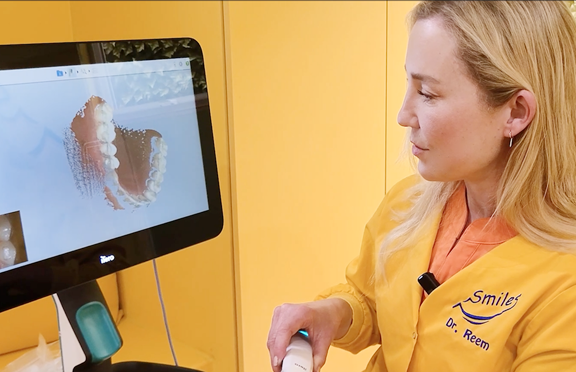
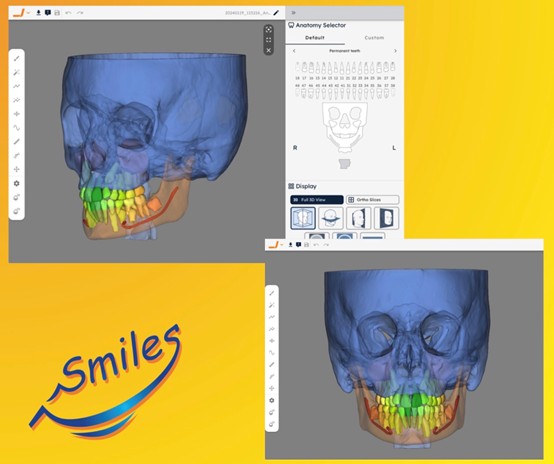
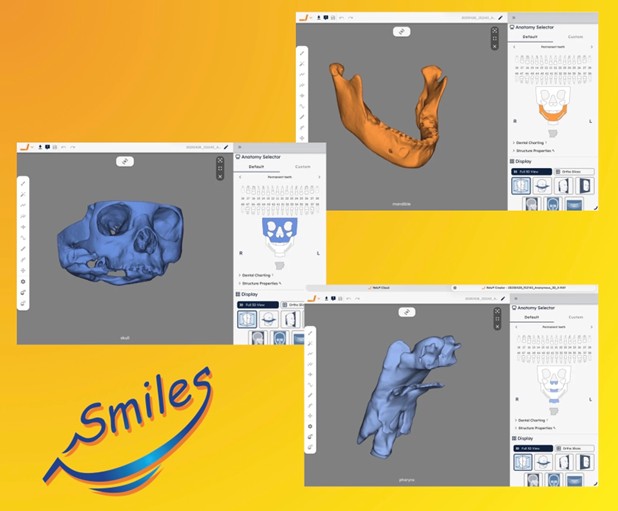
At the same time, dentistry continues to evolve. New technologies such as digital scanning, 3D visualization, and digital design are giving clinicians new ways to study developing smiles with remarkable clarity. However, although these technologies are becoming mainstream in general dentistry, they have yet to truly change pediatric dental care.
As a true advocate for child wellbeing, I am passionate about introducing new technologies to our profession in ways that honor kids and make their dental visits smoother and easier. I also believe in the increased educational value that these technologies can offer our families. When parents, and kids, can understand what we are seeing, they can better relate to the findings and make clearer decisions on how they would like to move through any needed care. Communication builds trust and improves the whole family’s overall experience.
How Do Healthcare Practitioners Adopt New Technologies?
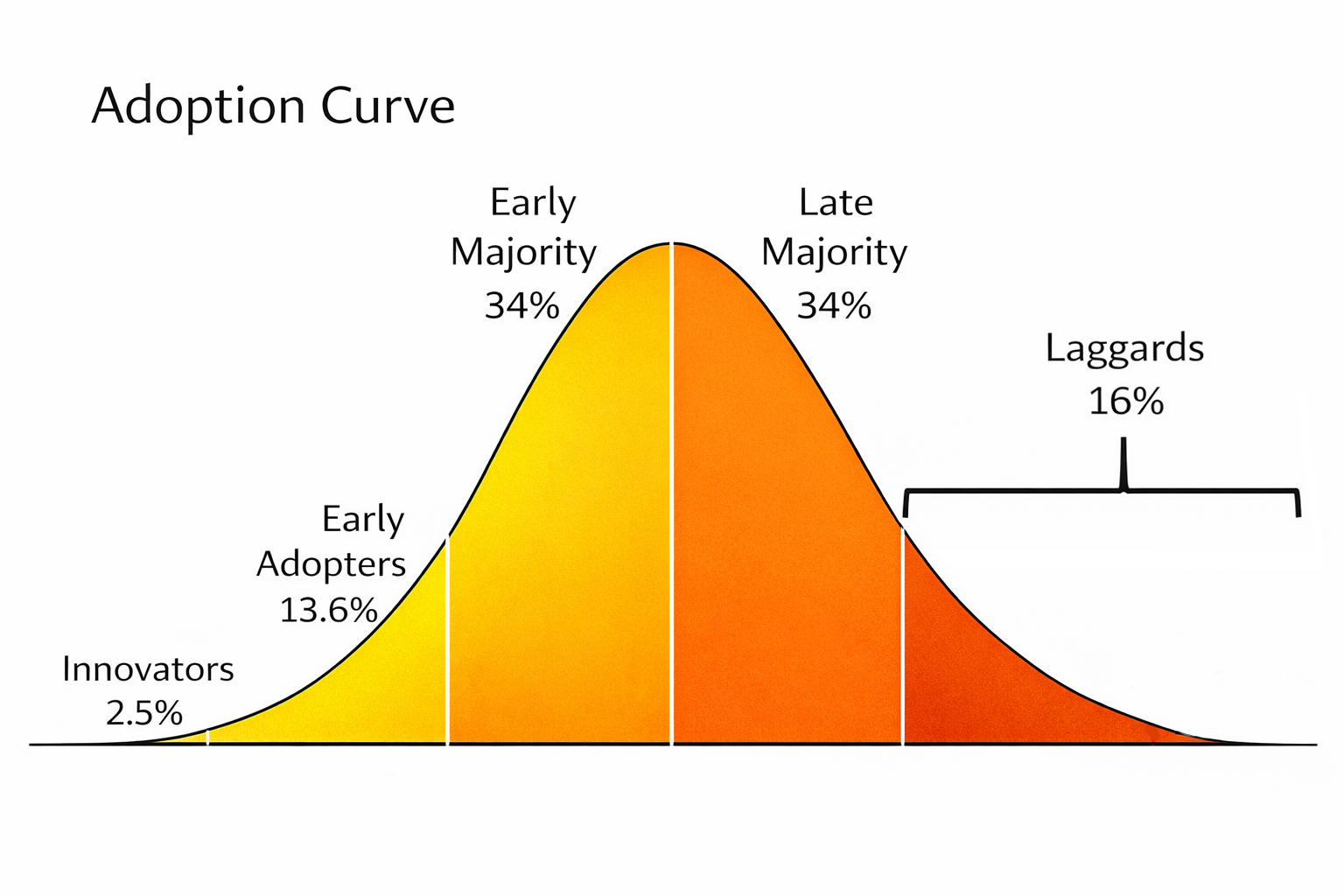
The sociologist Everett Rogers described how innovations are adopted by practitioners over time. Not every clinician will jump on board from the start. New ideas begin with early adopters and, as evidence grows, become part of everyday care.
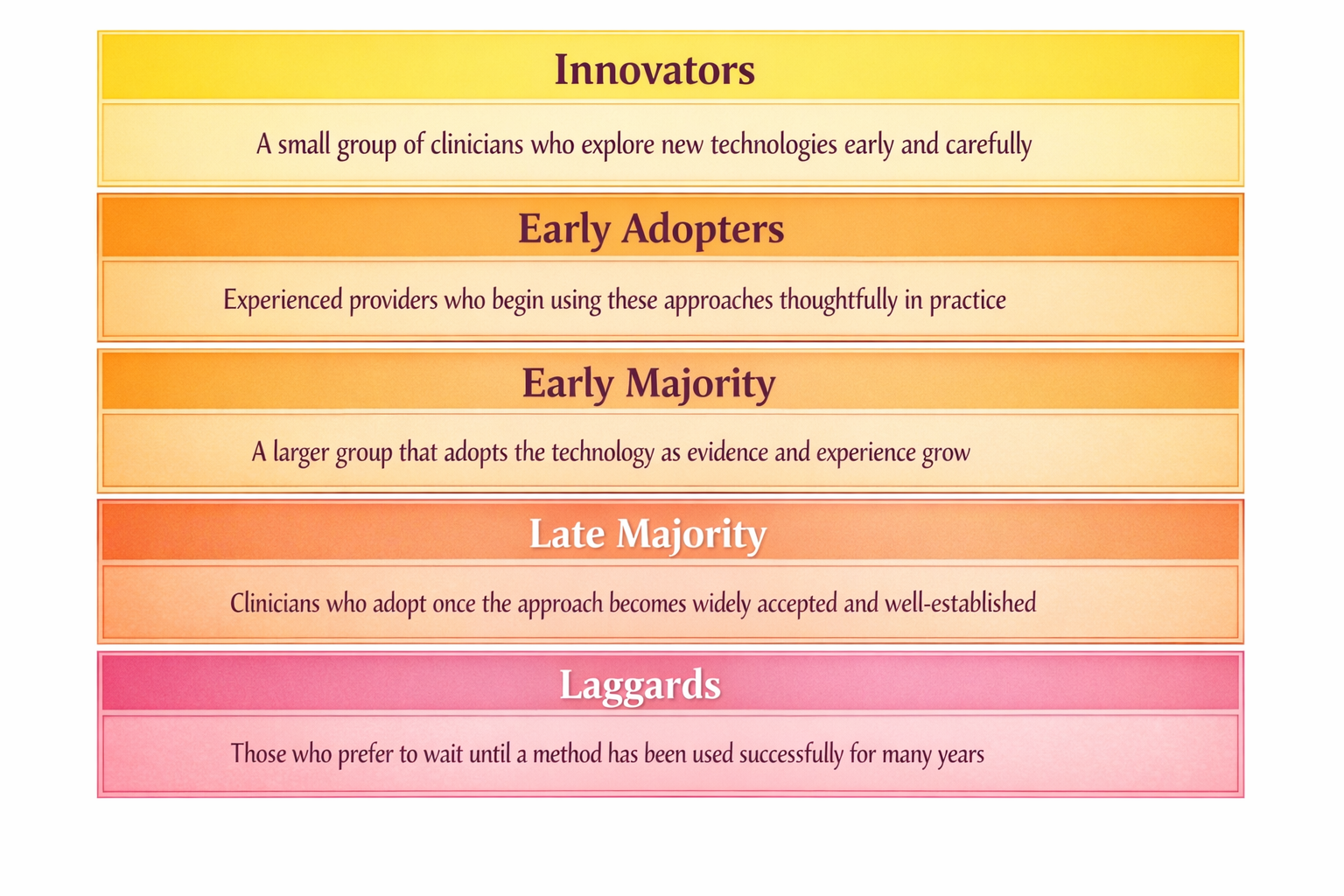
- Innovators – a small group of clinicians who explore new technologies early and carefully
- Early adopters – experienced providers who begin using these approaches thoughtfully in practice
- Early majority – a larger group that adopts the technology as evidence and experience grow
- Late majority – clinicians who adopt once the approach becomes widely accepted and well-established
- Laggards – those who prefer to wait until a method has been used successfully for many years
This gradual process helps ensure that new technologies are studied, refined, and used responsibly before becoming part of routine care. Digital dentistry is currently moving through these stages, as clinicians continue to learn, evaluate, and integrate these tools in ways that best serve their patients.
Whole-Child Health
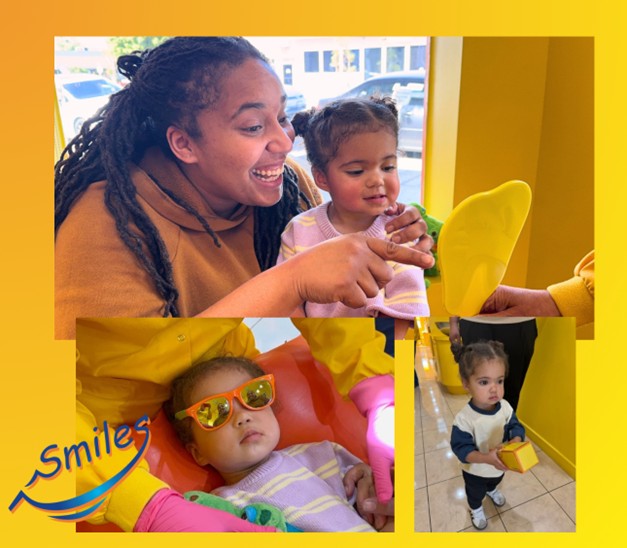
If I were to describe the philosophy of our practice, Smiles Pediatric Dentistry & Orthodontics, the first thing that comes to mind is our ture belief in wellness as a birthright. Our goal as healthcare professionals needs to be focused on the belief of wellness rather than illness. Health researchers describe this perspective as the idea of “Salutogenesis”, a model of care focused on supporting health, resilience, and wellbeing described by medical sociologist, Aaron Antonovsky in the late seventies. The word comes from Latin:
- “salus” = health
- “genesis” = origin
This translates to: “The origin of health” or “How health is created.”
In pediatric dentistry, this means looking beyond the teeth and caring for the whole child, recognizing that oral wellness is and essential part of total body wellbeing. A successful outcome is not just a restored tooth, but a child who feels comfortable in the dental setting and grows into an adult that values their oral health.
Where Innovation Meets Evidence, And Evidence Meets Patient care
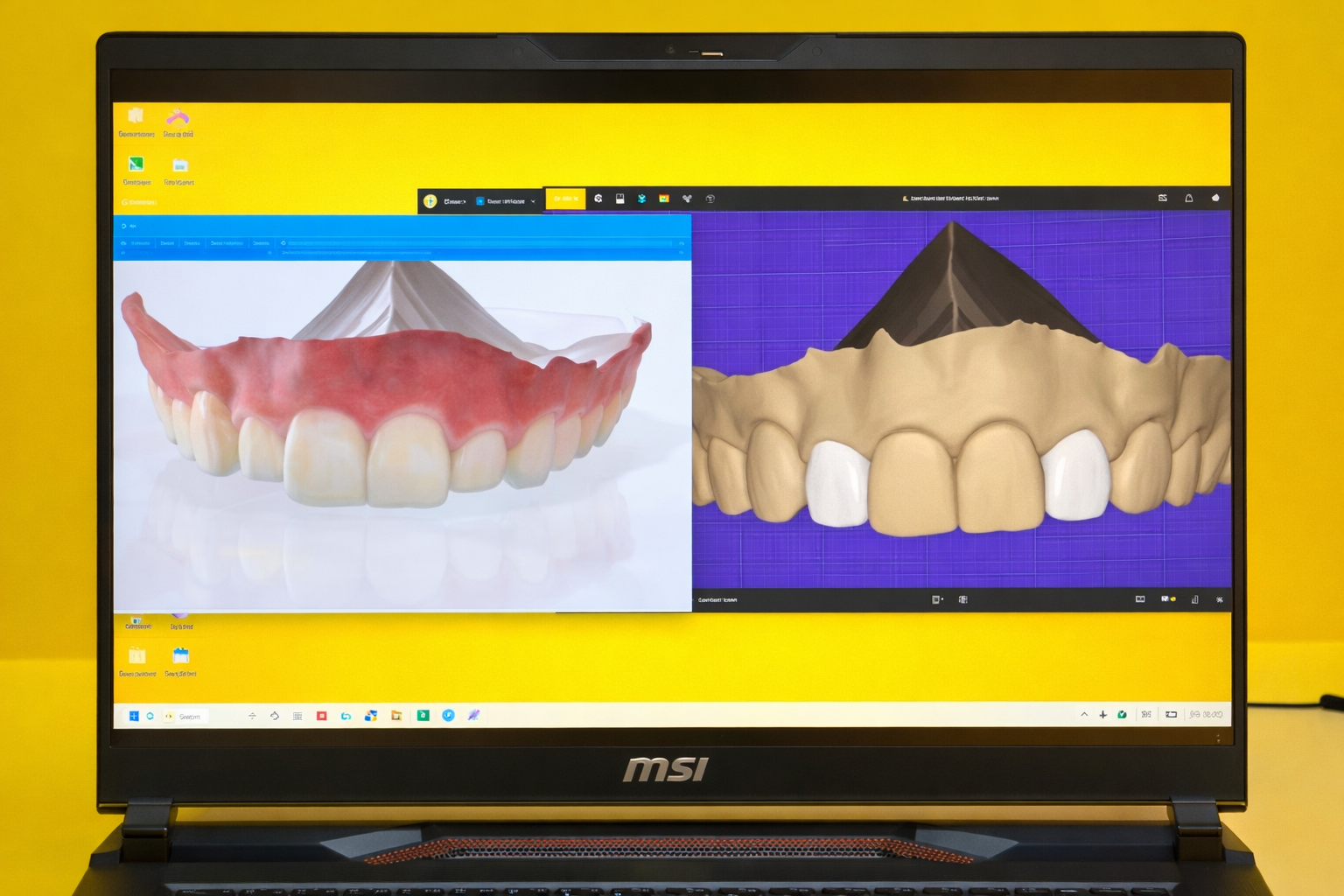
Every major advancement in dentistry begins as an innovation. Today, digital dentistry is part of that same continuum. Innovation initiates progress, and evidence follows. Within this evolution, and in alignment with Dr. Sackett’s evidence-based model, we must create space for patient and family values.
Clinical data, no matter how robust, must be interpreted within the context of the individual. Decisions about one’s body ultimately belong to the patient—or to their parents, in the case of children. Over time, research helps refine how and when innovations are best applied, guiding us toward more thoughtful and effective care.
Technology, when used with intention, should support the principles of salutogenesis—promoting comfort, reducing stress, and fostering a sense of wellbeing during the dental experience. Because in the end, it is never just about the technology. It is about the child.
The Goal Has Always Been the Same

Despite all advances, the goal remains the same: gentle, thoughtful care that supports both the health and confidence of every child and teen that we are priviliaged to care for.
Goals for every child and teen visiting Smiles:
– comfort and emotional experience
– long-term oral health
– supported growth and development
– family involvement in care
When innovation, evidence-based care, and whole-child health come together, they create meaningful, lasting outcomes in addition to changing the future dental outlook for an entire population.
Give your child a comfortable, positive dental experience with care designed around their growth, health, and confidence at Smiles Pediatric Dentistry & Orthodontics.
Contact us today to schedule your child’s visit.