

Dental anesthesia for children works best alongside gentle pediatric dentistry, education, and emotional safety. Dr. Reem shares a wellness-centered approach that supports comfort, trust, and lifelong oral health.
How comfort, education, and emotional intelligence shape lifelong dental health
Dentistry for children is far more than a technical procedure. It is a whole-body experience that integrates physical sensation, emotion, memory, and trust. For me, it becomes part of each child’s health story, and I aim wholeheartedly to make that story as easy, joyful, and empowering as possible. This mindset naturally leads to a pursuit of anything that can soften the dental experience and mindfully usher it forward.
In this blog, I set out to write about local anesthesia, often considered the “magic wand” of modern dentistry. Yet as I began writing, I realized that while I am deeply grateful for the technologies we seamlessly integrate at Smiles Pediatric Dentistry & Orthodontics, local anesthesia has never been the centerpiece of care in my practice. Rather, it is one of many tools used thoughtfully to support wellness, safety, and long-term health. I also wanted to express appreciation for the health leaders who paved the way for humane procedures, not only through scientific discovery, but through philosophy.
The First Breakthrough: Cocaine and Local Anesthesia
In 1884, Carl Koller, an ophthalmologist, demonstrated that cocaine could block nerve sensation when applied locally. Although his work focused on eye surgery, the implications were immediate and profound. Dentistry quickly recognized the potential. For the first time, pain could be controlled locally without rendering the patient unconscious. This discovery marked the beginning of modern, humane dentistry. However, cocaine’s toxicity and addictive potential made it unsuitable for widespread, long-term use.
The True Foundation of Modern Dental Anesthesia: Procaine (Novocaine)
In 1905, Alfred Einhorn synthesized procaine, later marketed as Novocaine. This moment is arguably the true birth of modern dental anesthesia.
Procaine was significantly safer, non-addictive, predictable, and effective for dental procedures.
Novocaine allowed dentistry to move out of an era of endurance and into an era of intentional comfort. For the first time, pain control could be integrated thoughtfully into routine dental care, including care for children.
An Important Perspective: Anesthesia as a Tool, not a Philosophy
Even as local anesthesia transformed dentistry, early pediatric dental pioneers such as Dr. Evangeline Jordan emphasized something essential: pain control alone does not create gentle care. She focused on prevention, education, emotional safety, and trust. She understood that a child’s experience of dentistry is shaped not only by sensation, but by meaning and by what follows afterward. This distinction remains essential today.
Why This History Matters Today
Local anesthesia is one of the greatest gifts to dentistry. It allowed care to become humane, precise, and ethical. But it was never meant to replace communication, education, emotional intelligence, or respect for a child’s nervous system.
Why Local Anesthesia Can Be Challenging for Children
Although local anesthesia is safe and effective, it can introduce challenges for pediatric patients, including anticipatory anxiety, fear of numbness, prolonged post-operative sensations, and lip or cheek biting injuries following lower-arch procedures. When poorly timed or insufficiently supported, these experiences can shape a child’s perception of dentistry for life.
A Philosophical Alignment with Dr. Evangeline Jordan
I agree deeply with Dr. Jordan’s philosophy and find that it continues to resonate with today’s approach to child oral care, as well as with current best practices outlined by the American Academy of Pediatric Dentistry (AAPD).
Local anesthesia is a wonderful and indispensable tool, but we would all still prefer complete health over a disease process that requires intervention, no matter how gentle that intervention may be. Dr. Jordan did not promote aggressive procedural completion, nor did she center anesthesia as the foundation of care. Our primary goal must be health preservation, practicing the concept of salutogenesis, coined by sociologist Aaron Antonovsky. Rather than asking “What causes illness?” salutogenesis asks, “What creates health?”
Education as Care: Empowering the Child
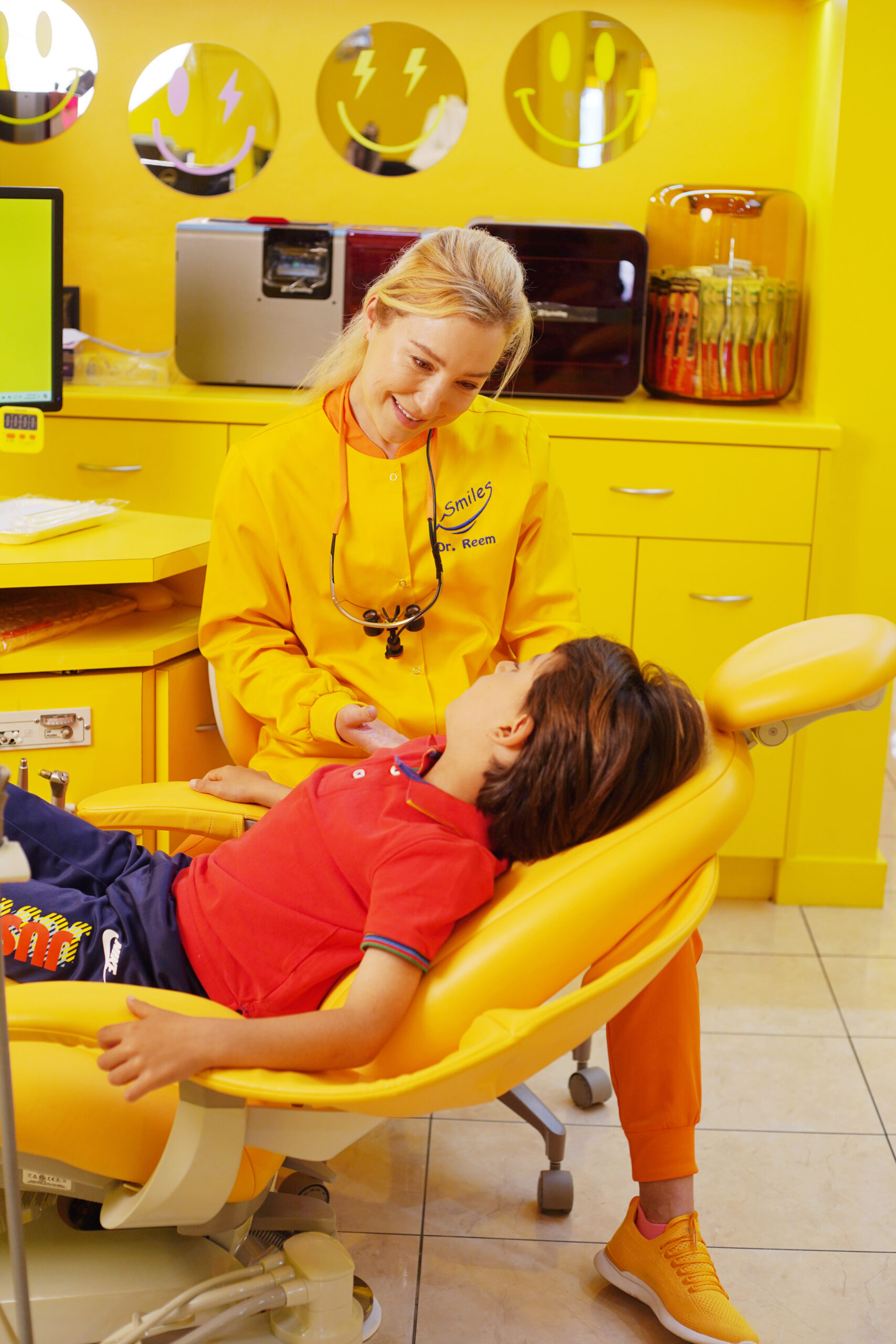
As pediatric dentists, we are stewards of oral health education and empowerment. This role may be even more important than treating dental disease, because it promotes the end of the cycle of unwellness. When children understand why something is needed in an age-appropriate way, are encouraged to notice how their bodies feel, and are invited to communicate their needs, this fosters emotional intelligence — something the age of artificial intelligence can never replace.
Education and communication must also extend to parents before care even begins. Well-intending parents may unintentionally add an emotional layer by asking, “Does it hurt?” or saying, “I know this is uncomfortable.” These statements can weave a parent’s own dental experiences into their child’s perception of the visit.
I’ve learned to speak with parents thoughtfully before rendering any treatment. While my team engages the child with prizes, movies, and conversation, I take time to explain what is needed, what options exist, what reactions they might notice, and how care can be delivered successfully. I also clarify what I can reasonably accomplish, when we might pause, and when a different modality, including further sedation options, may be more appropriate.
After many years in pediatric dentistry, I have learned this essential truth: when we unite with parents around the goal of loving a child and giving them the best experience possible, everything flows more naturally.
Once parents are comfortable, my true client — the child — can be informed gently and age-appropriately about what to expect, how to communicate their needs, and how to participate in their own care. Above all, they receive a generous sprinkling of honoring and love to ensure safety and trust.
The Evolution of Gentle Anesthesia Delivery
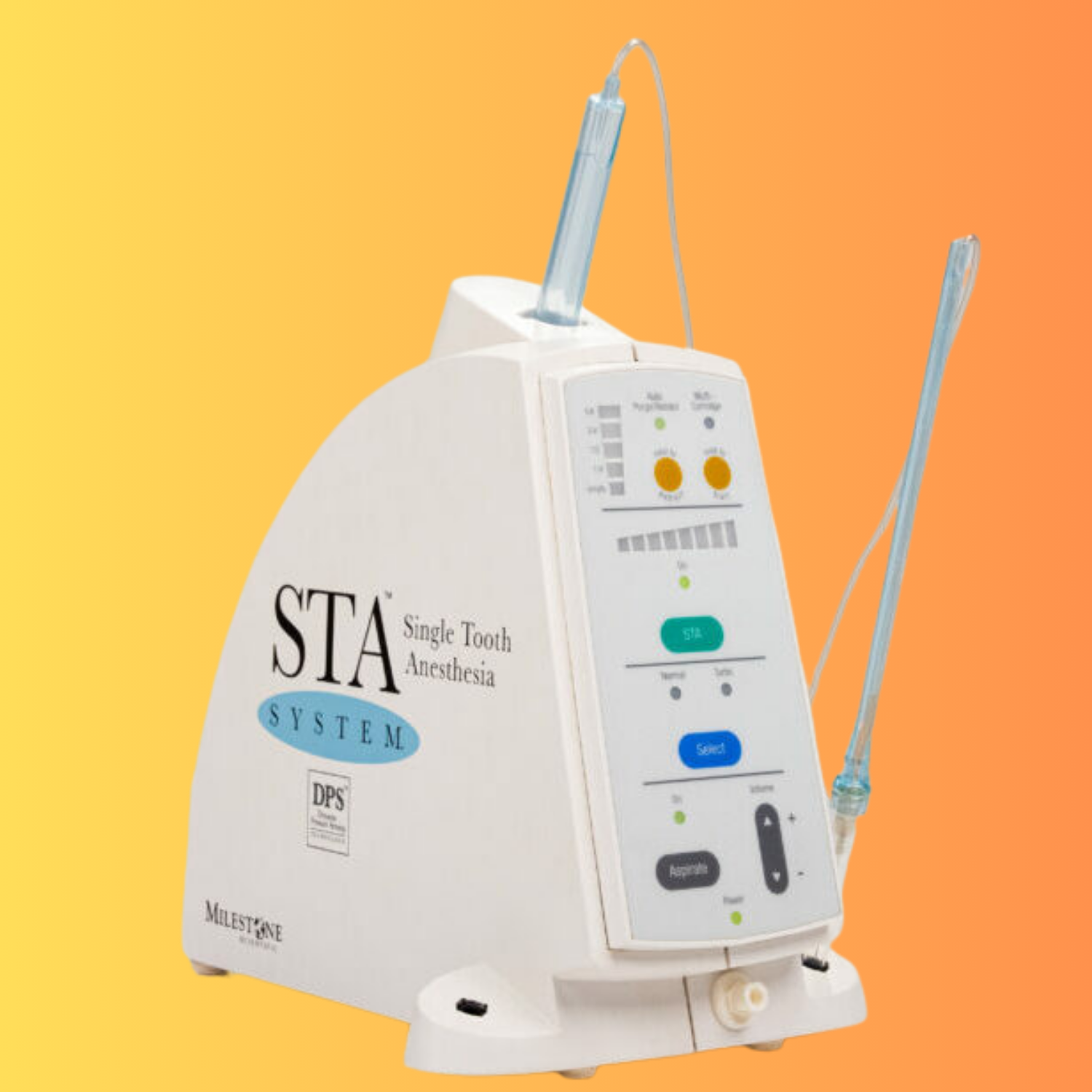
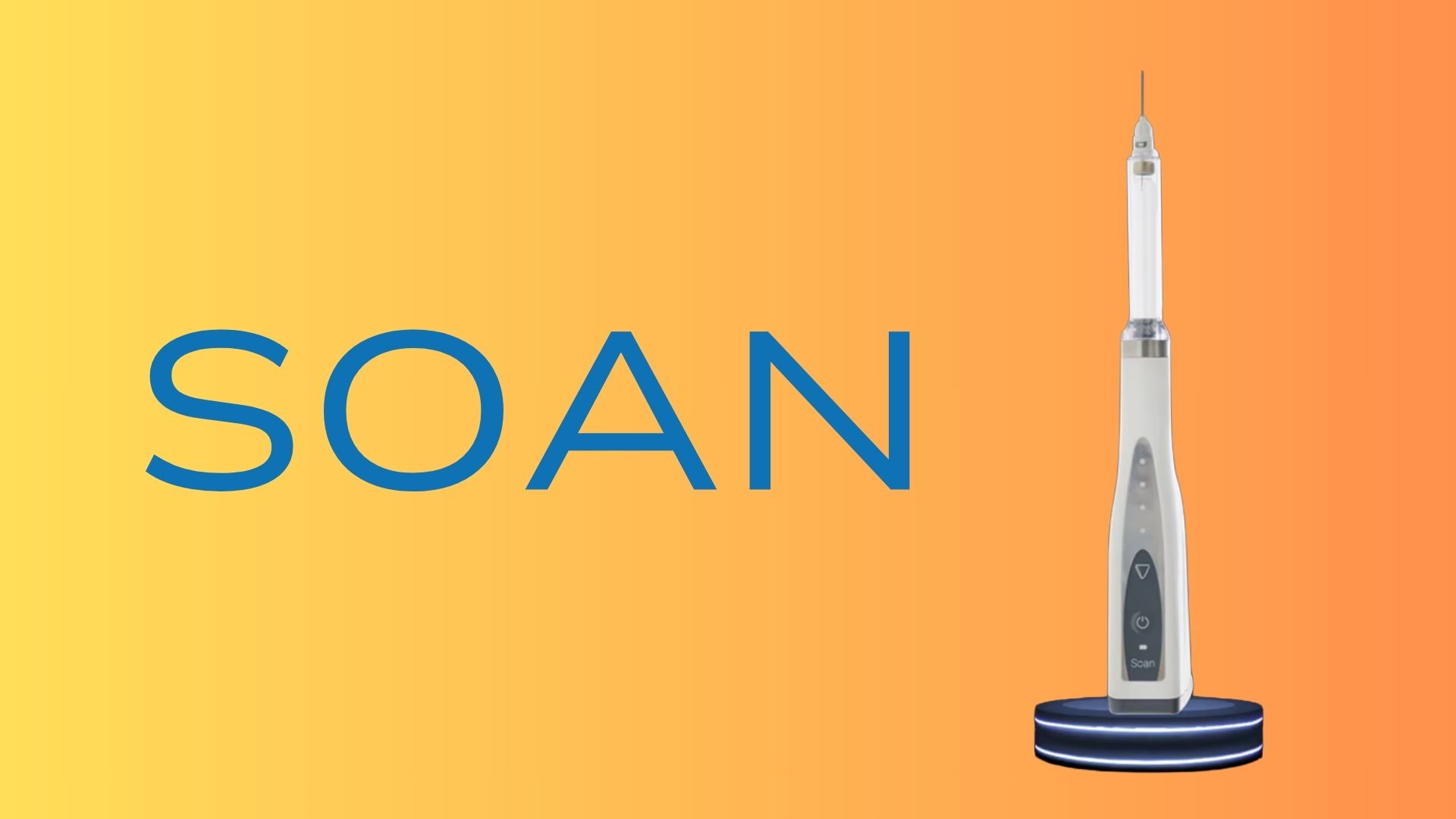
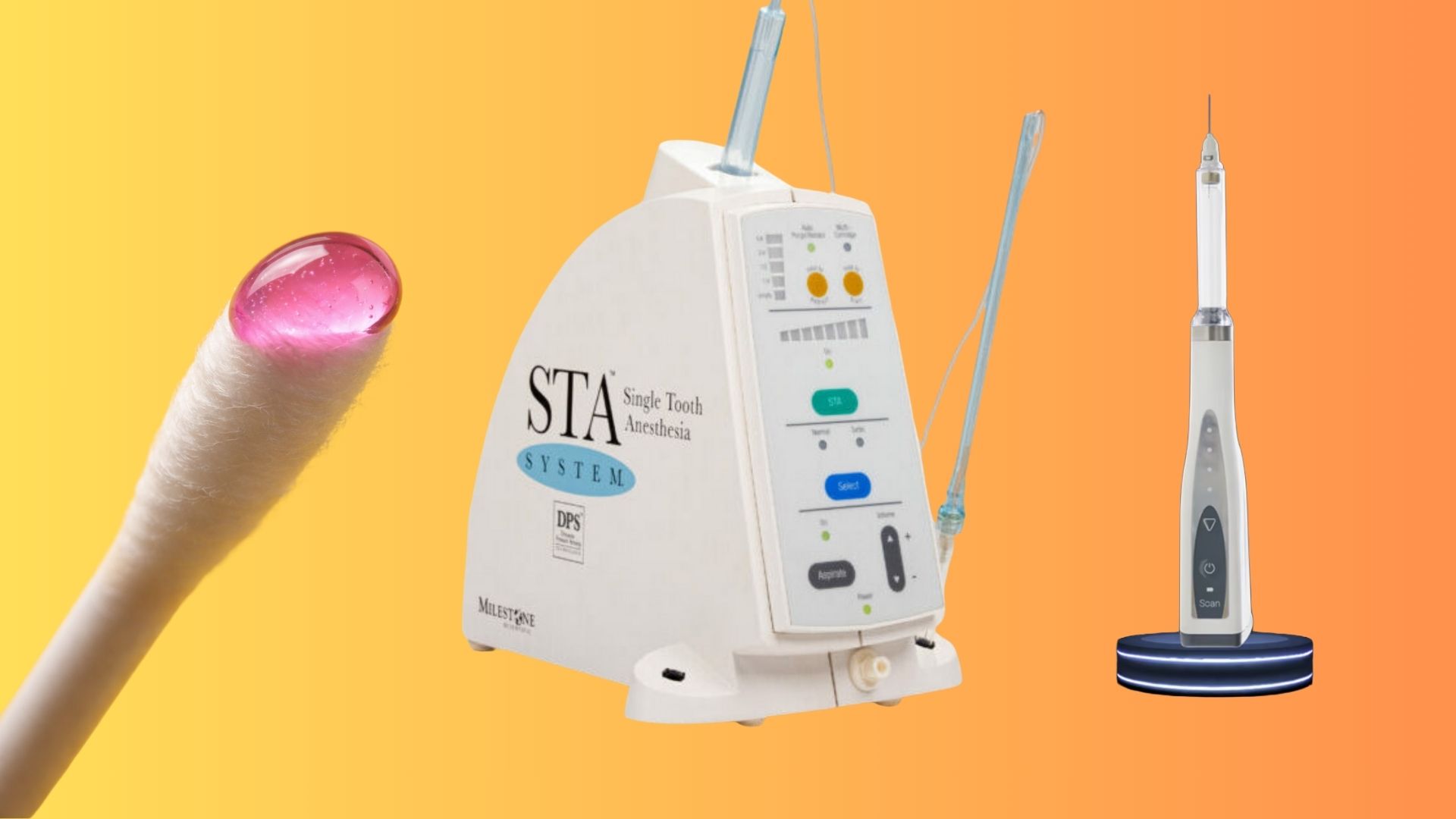
Since opening in 2008, Smiles Pediatric Dentistry & Orthodontics has used computerized anesthesia delivery systems to improve comfort. Early adoption of single-tooth anesthesia technology allowed us to deliver controlled, gentle, and ultra-localized anesthetic. Today, the SOAN unit continues this evolution with enhanced precision, ergonomics, and thoughtful design. These devices not only feel better, but they also look better and often appear non-threatening to children.
The Role of Exceptional Topical Anesthesia
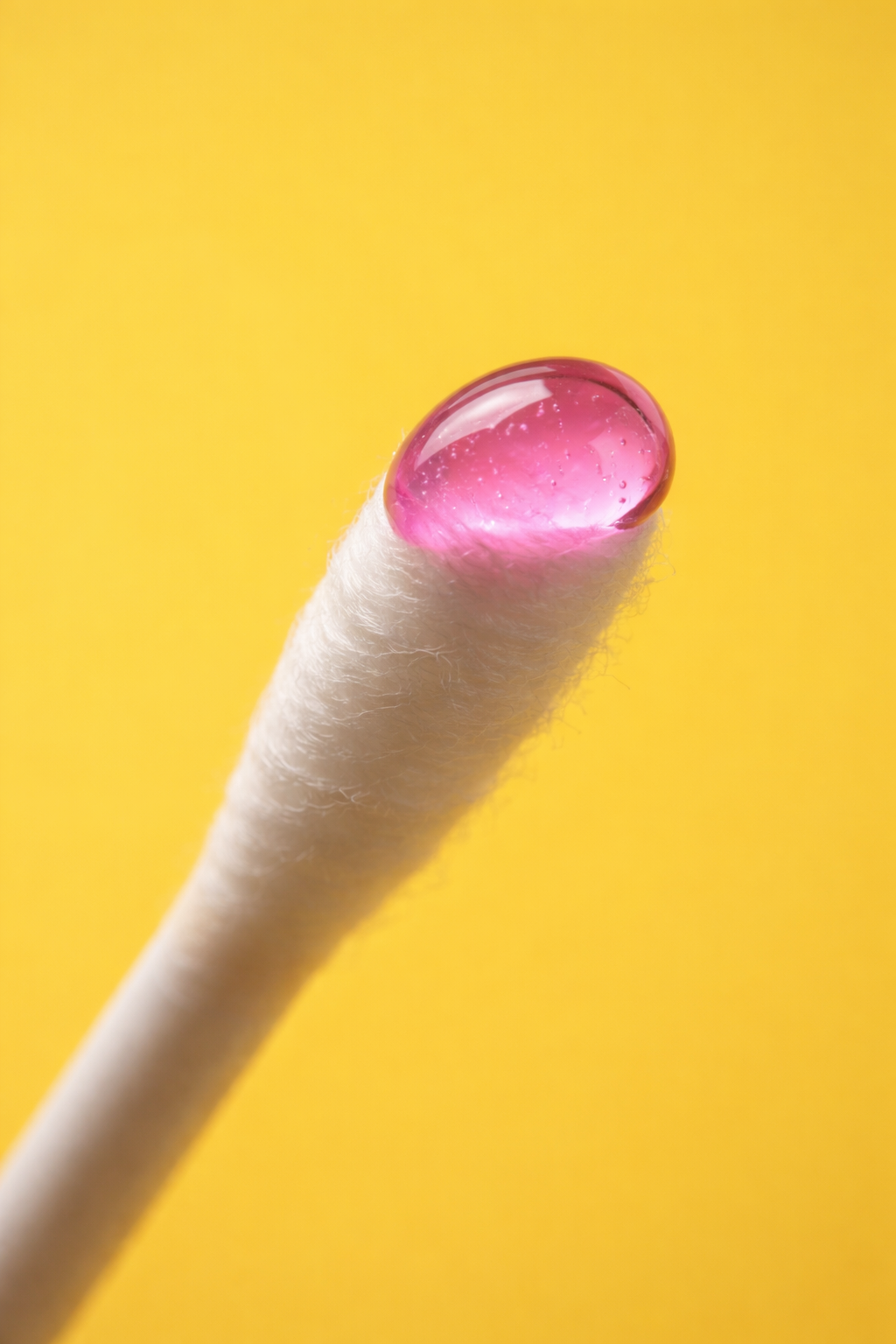
Topical anesthesia is often underestimated. When applied correctly with time, isolation, and intention, it can significantly reduce discomfort and support minor procedures, sometimes reducing the need for injectable solutions. While topical, these gels must still be respected in terms of dosage and application. I truly find them indispensable and make a point to apply them personally, rather than delegate their application to team members.
I like to place the topical exactly where I want it to work and am very careful to avoid it spreading in the child’s mouth. I do this by covering the area with a slightly moistened gauze. This allows the gel to work effectively and remain localized, since tasting topical anesthetic does not create the pleasant experience we aim to provide.
Moistening the gauze allows for gentle removal and helps prevent it from adhering to the delicate oral mucosa. Topical anesthesia is especially wonderful for removing exfoliating primary teeth with utter ease and delight for children, and it is often one of the most rewarding requests our young clients make, because it ensures a visit from the tooth fairy.
The Solea Laser and the Anesthesia-Free Option
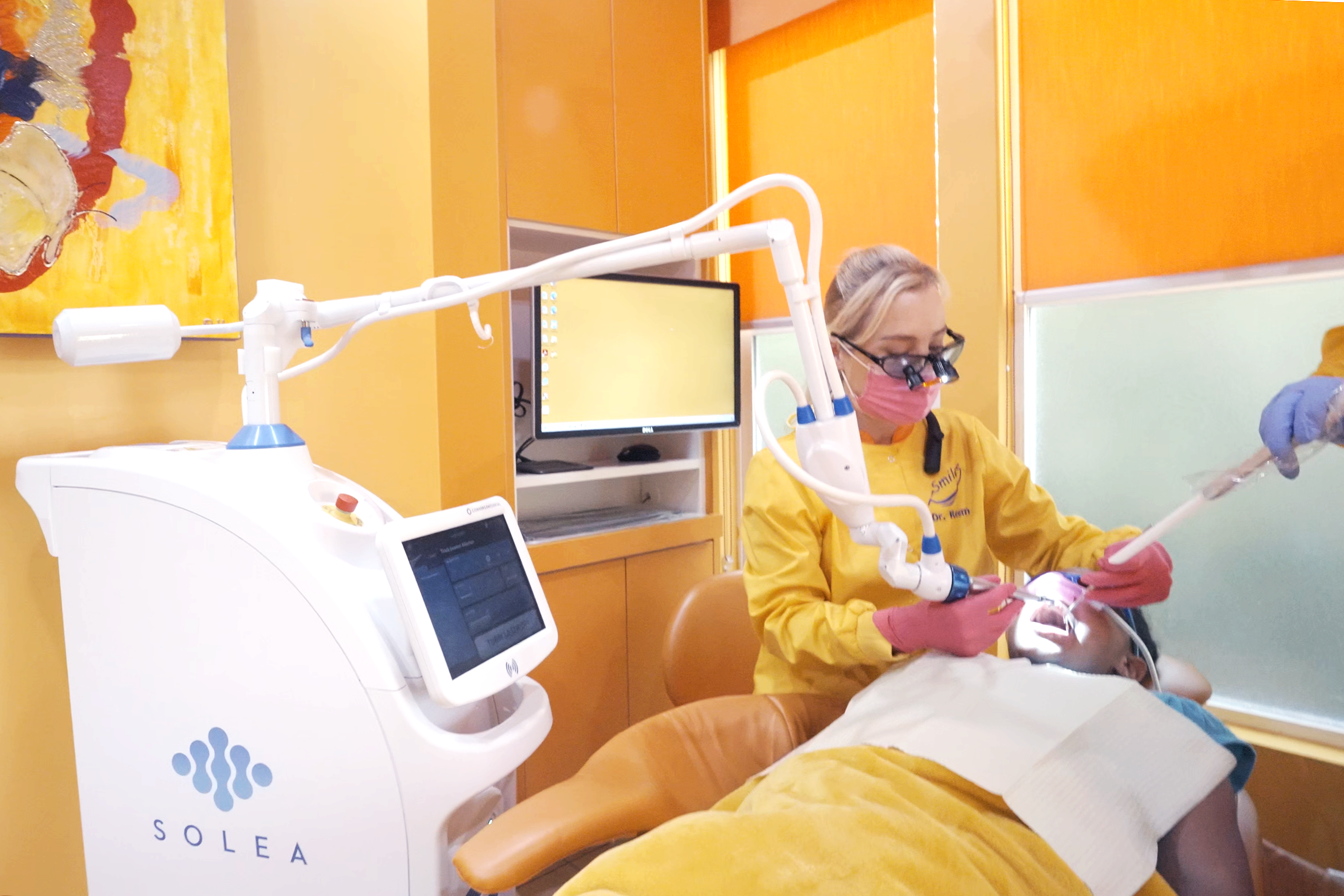
Solea laser technology has allowed many dental treatments to be performed without needles, numbness, or drills. The pulsing of the laser acts on the pain-gate mechanism, dramatically reducing uncomfortable sensations. That said, comfort requires thoughtful planning, not simply the goal of avoiding anesthesia. Compassion and communication remain the cornerstones of a comfortable dental visit.
Sedation as Part of a Thoughtful Spectrum
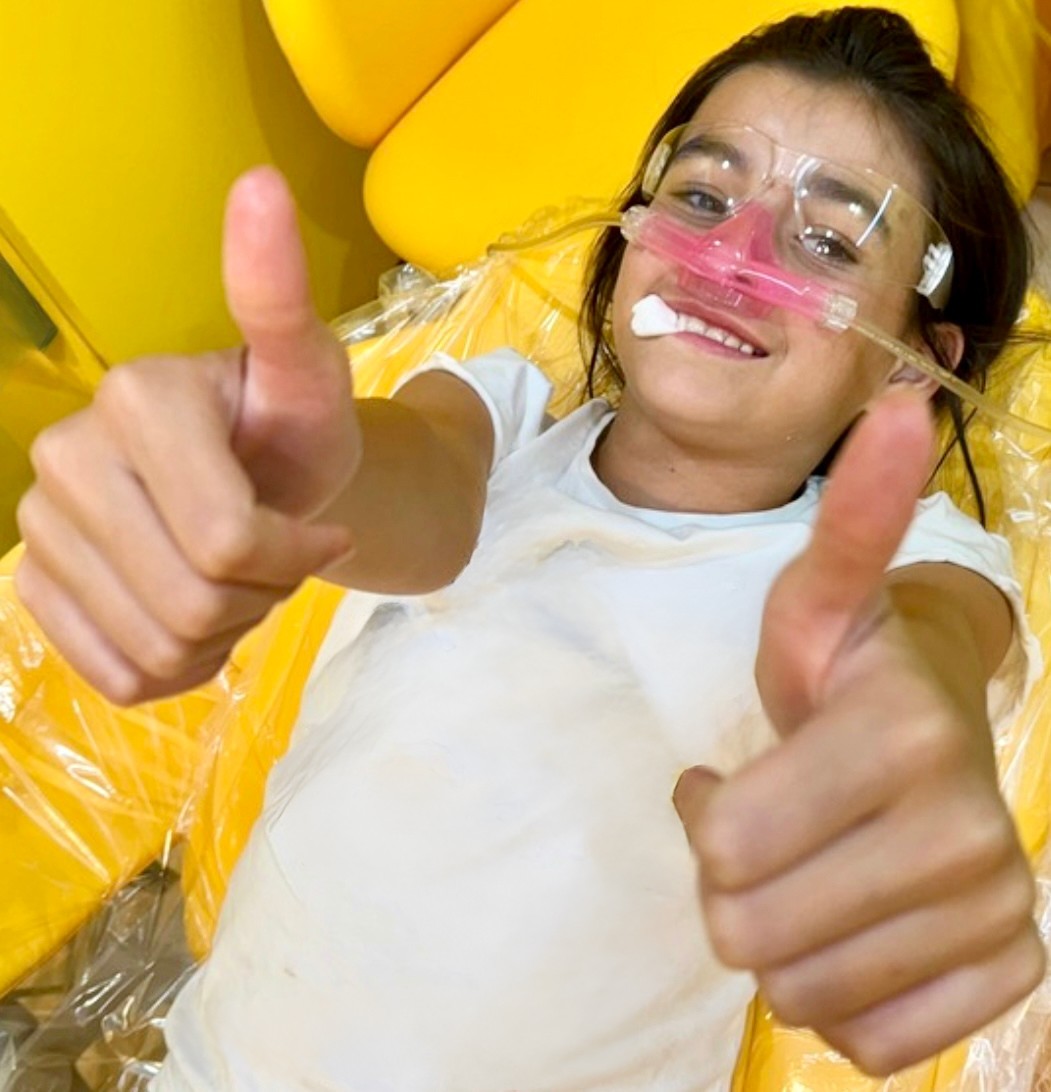
True customization includes sedation options, when appropriate. These range from nitrous oxide and oxygen to oral sedation and deep (intravenous) sedation or general anesthesia for complex cases. The goal is not avoidance of anesthesia or sedation, but the right support at the right time for the right child.
The Stewardship Responsibility
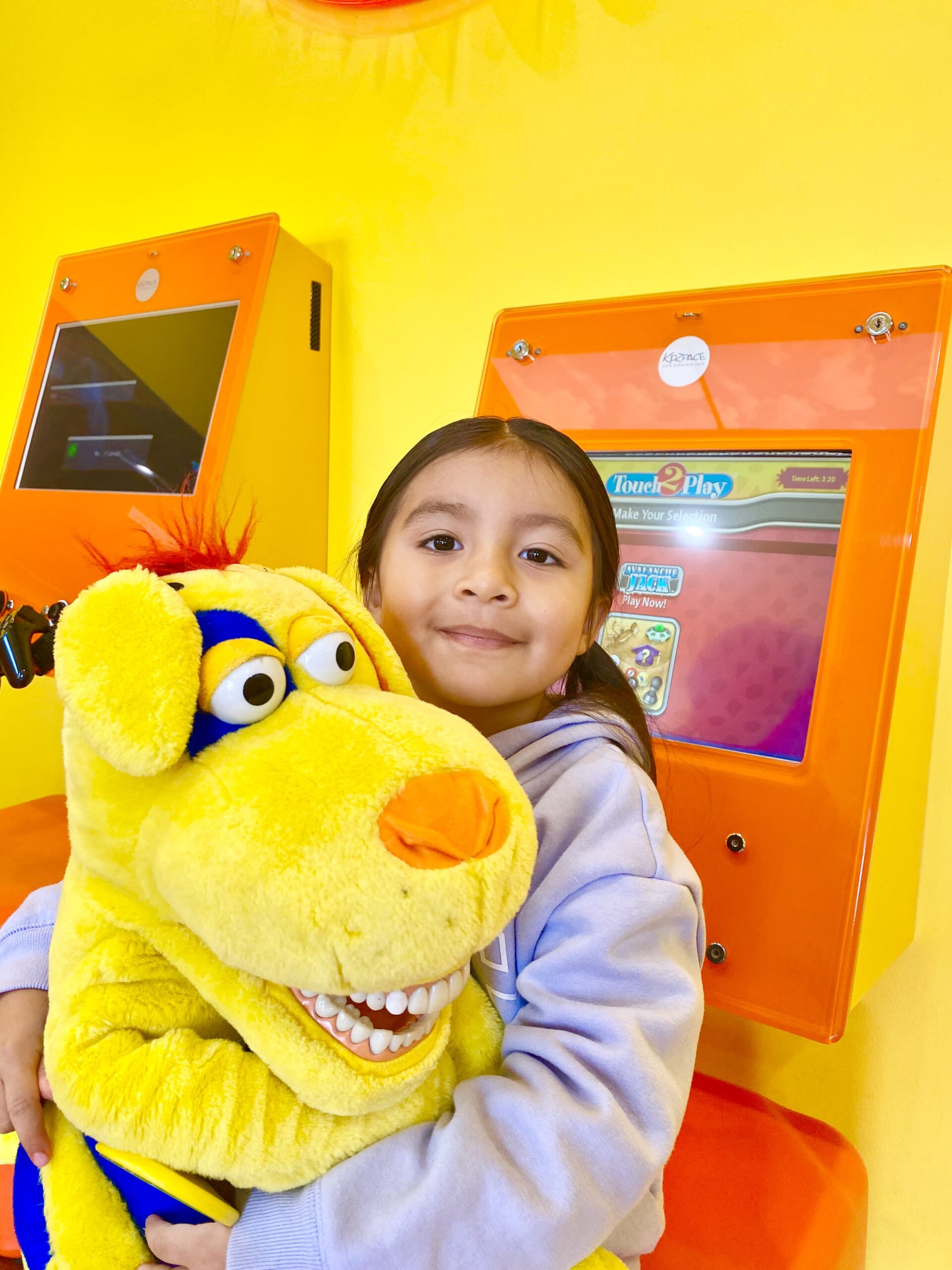
Pediatric dentists are stewards of how children perceive healthcare for life. A single overwhelming experience can leave a lasting imprint. Our responsibility extends beyond completing treatment to protecting trust, confidence, and emotional well-being. Gentle dentistry is about doing what is right — thoughtfully, compassionately, and through a wellness-centered lens. By integrating education, emotional intelligence, modern technology, individualized anesthesia planning, and when appropriate, sedation, we support not only oral health, but lifelong well-being.